How Gravel Roads Cause Paint Chips and What PPF Can Do About It

Gravel roads do not need much time to leave a mark.
One short drive behind another vehicle can pepper a bumper, chip a hood edge, or rough up rocker panels. Around Franklin County and rural Missouri, that damage is common because many daily routes mix paved roads, loose gravel, farm lanes, and construction traffic.
If your vehicle regularly sees gravel, Paint Protection Film is one of the most practical ways to reduce visible damage.
Where Gravel Damage Starts
Gravel chips usually appear first on the most exposed surfaces.
Watch these areas:
- Front bumper
- Hood leading edge
- Side mirrors
- Rocker panels
- Lower doors
- Rear wheel arches
- A-pillars
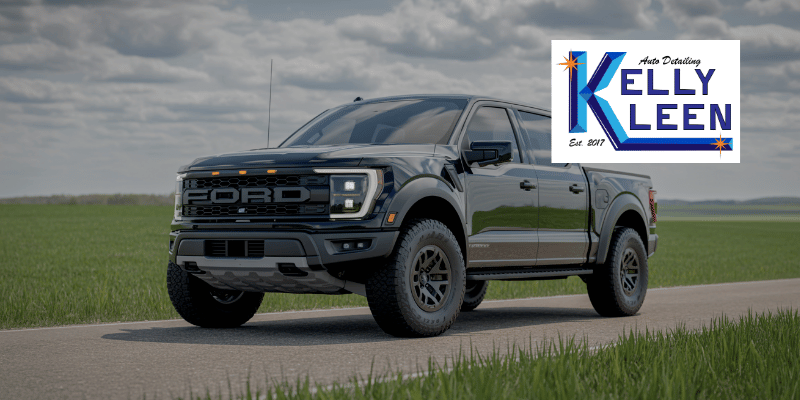
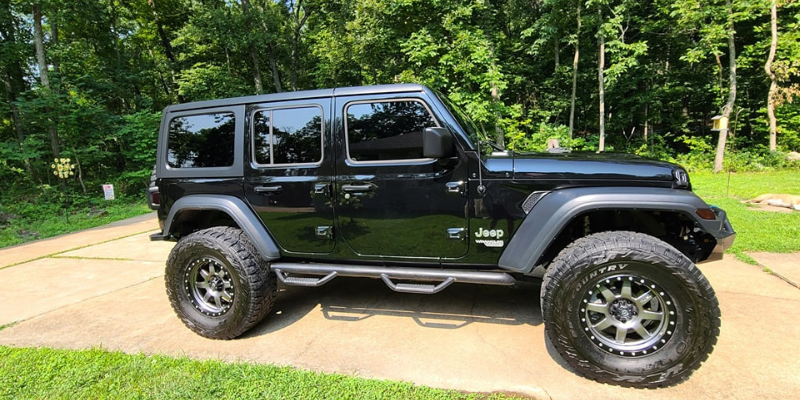
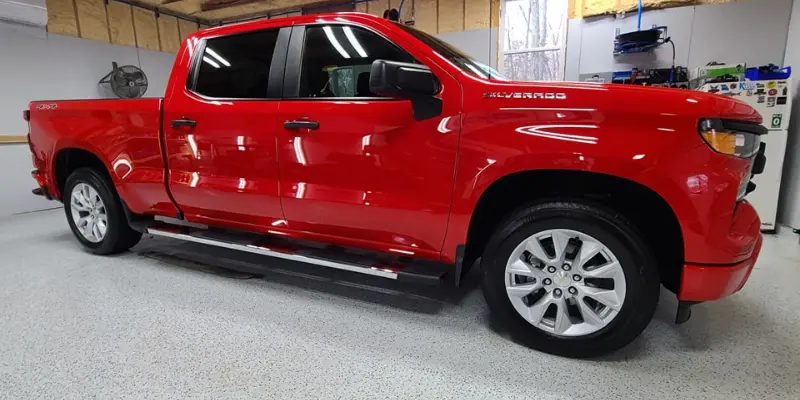
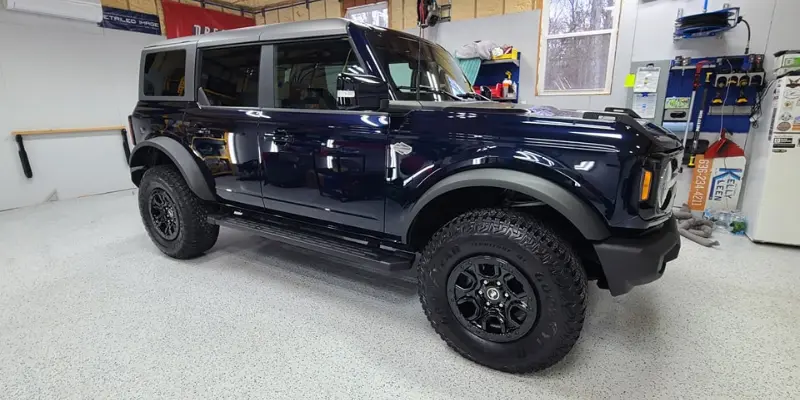
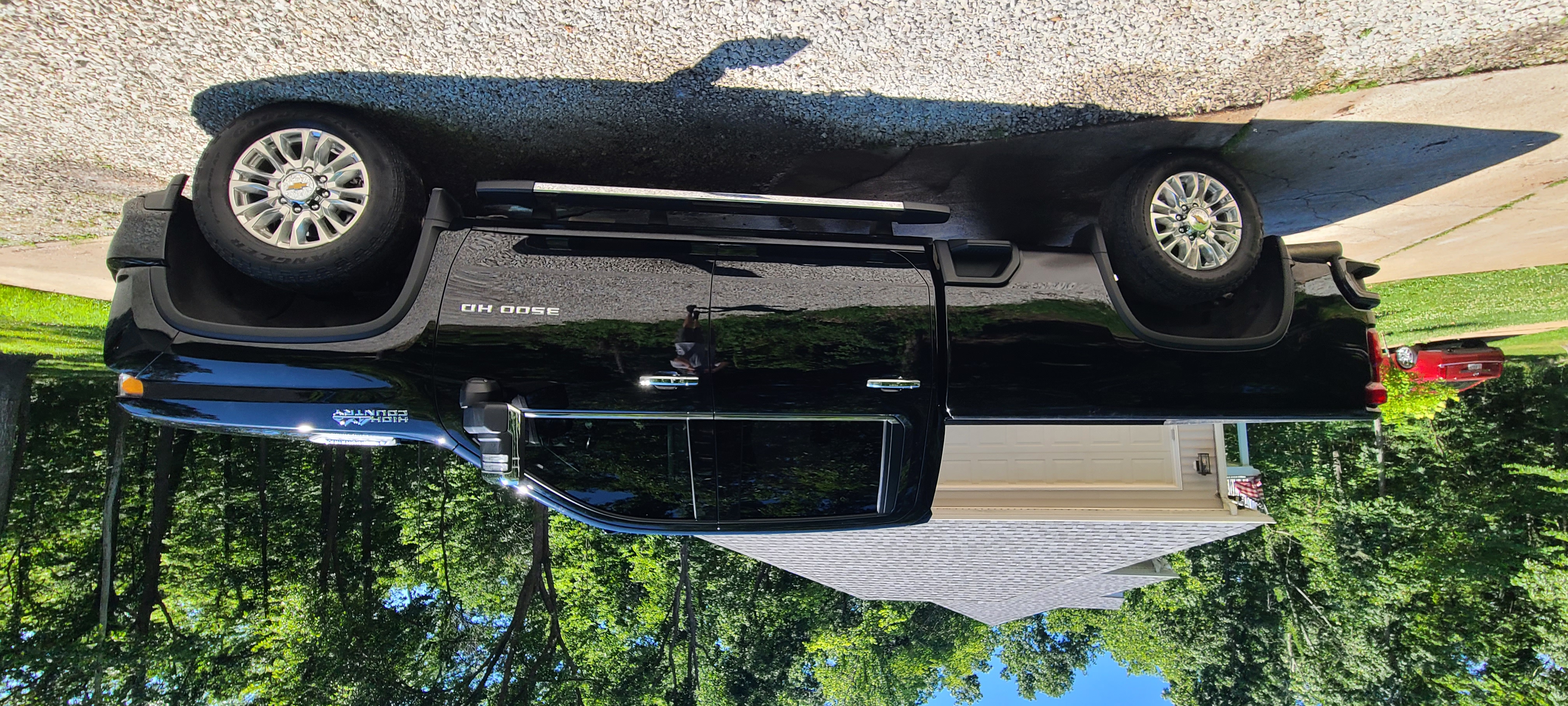
Trucks and SUVs are especially vulnerable because their size, tire width, and ride height can expose more painted surface to flying debris.
Why Small Chips Become Bigger Problems
A single chip may seem cosmetic, but it breaks the smooth surface of the paint system. Once the clear coat is compromised, dirt, moisture, salt, and road film can collect in that spot.
Over time, repeated washing and weather exposure can make damaged areas more noticeable.
The goal is to prevent as many chips as possible before they happen.
PPF Absorbs Impact
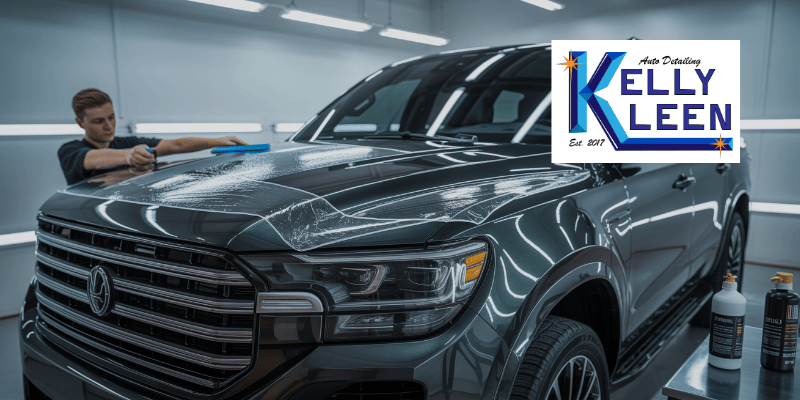
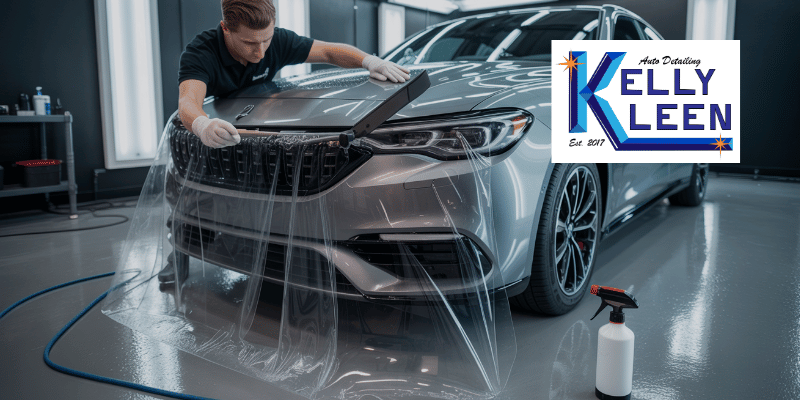
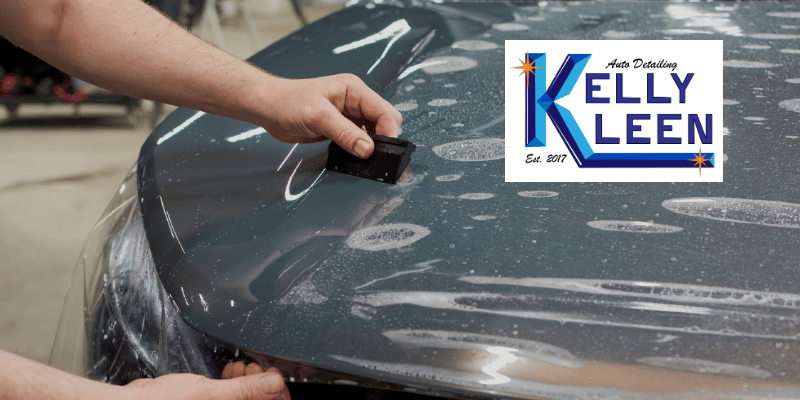
PPF is a clear urethane film applied over painted surfaces. It helps absorb the impact from small stones and road debris before they reach the paint.
It is not magic armor, and nothing makes a vehicle impossible to damage. But on high-impact areas, quality film can dramatically reduce everyday chip damage.
That is why PPF is especially useful for Missouri drivers who travel gravel roads, highways, or construction zones.
Which PPF Areas Matter Most for Gravel Roads
For gravel-road use, protection should focus on the impact zones.
A full front package protects the hood, fenders, bumper, and mirrors. A track pack adds areas like rocker panels and A-pillars, which are important if gravel gets kicked up along the sides of the vehicle.
If your lower doors or rocker panels already show peppering, a track pack may make more sense than front-only coverage.
Exterior Detailing Still Matters
PPF protects against impact, but the rest of the vehicle still needs regular cleaning.
Gravel dust can stick to paint, glass, wheels, and trim. If washed carelessly, that dust can scratch the finish.
Routine exterior detailing helps remove contamination safely and keeps protected and unprotected surfaces easier to maintain.
Ceramic Coating Can Help With Cleaning
Ceramic coating does not replace PPF for rock chips, but it can make gravel dust easier to wash away.
Many drivers combine PPF and ceramic coating because the two products solve different problems. PPF handles physical impact. Ceramic coating helps with cleaning, gloss, and chemical resistance.
Protection Is Easier Than Repair
Once gravel chips are visible, the options become more limited. You may need touch-up paint, correction, or repainting depending on severity.
Applying film while the paint is still in good shape is the cleaner solution.
Kelly Kleen Auto Detailing helps Missouri drivers choose PPF coverage based on real driving conditions. If gravel roads are part of your weekly routine, contact us to discuss the right film package for your vehicle.