Why Missouri Road Brine Is Worse Than Salt for Your Paint and Undercarriage

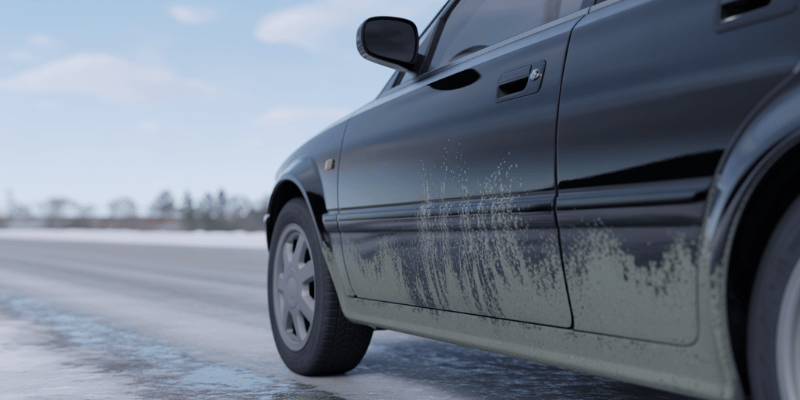
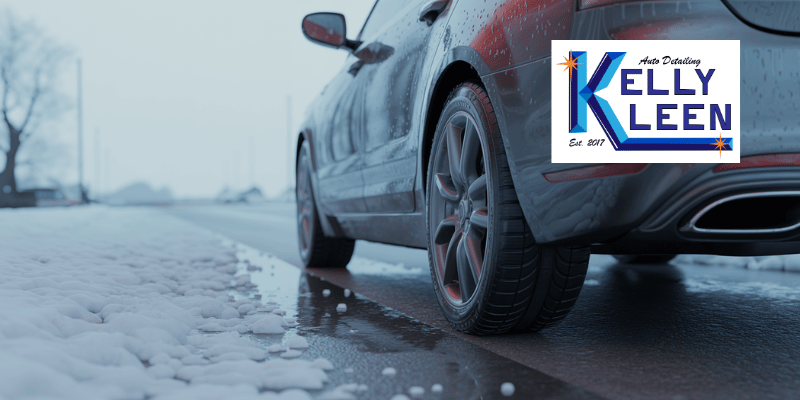
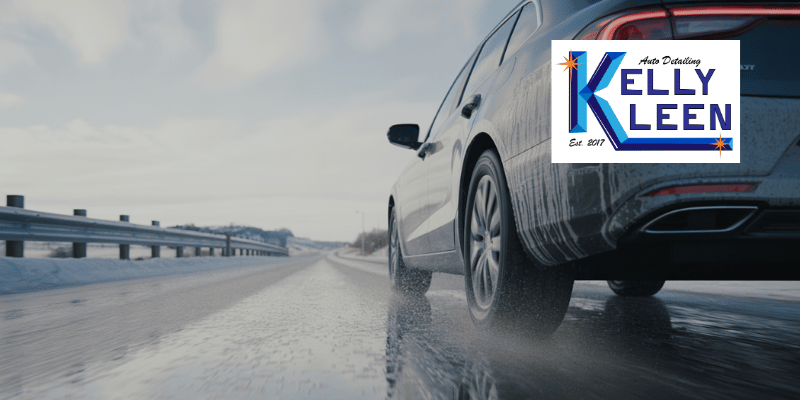
Most Missouri drivers know road salt is bad for their vehicles. What many do not realize is that the liquid brine sprayed on Missouri roads in winter is often far more damaging than traditional rock salt. While brine looks less aggressive and keeps roads safer during winter storms, it creates a constant chemical assault on your vehicle’s paint, undercarriage, and seams.
For drivers in Washington, Union, and Pacific, brine exposure is unavoidable. Understanding how it works and why it causes more long-term damage than salt helps explain why winter detailing is not optional if you want to preserve your vehicle.
What Is Road Brine and Why Missouri Uses It
Road brine is a liquid solution made primarily from salt and water, sometimes mixed with additives like magnesium chloride or calcium chloride. Missouri uses brine because it:
- Prevents ice from bonding to pavement
- Works at lower temperatures than rock salt
- Spreads evenly across roads
- Reduces overall salt usage
From a road safety perspective, brine is effective. From a vehicle protection standpoint, it is relentless.
Why Brine Is More Dangerous Than Rock Salt
Rock salt is granular. It sits on surfaces until it dissolves or is washed away. Brine is already dissolved, meaning it immediately spreads, creeps, and clings.
Brine damage is worse because it:
- Stays wet longer
- Wicks into seams and cracks
- Coats the entire undercarriage evenly
- Continues reacting as temperatures fluctuate
- Dries into corrosive residue
- Reactivates with moisture
Even when roads look dry, brine residue remains active on your vehicle.
How Brine Attacks Paint at the Microscopic Level
Paint is not a perfectly sealed surface. Clear coat contains microscopic pores. Brine seeps into those pores and begins breaking down protective layers.
Over time, brine causes:
- Premature wax and sealant failure
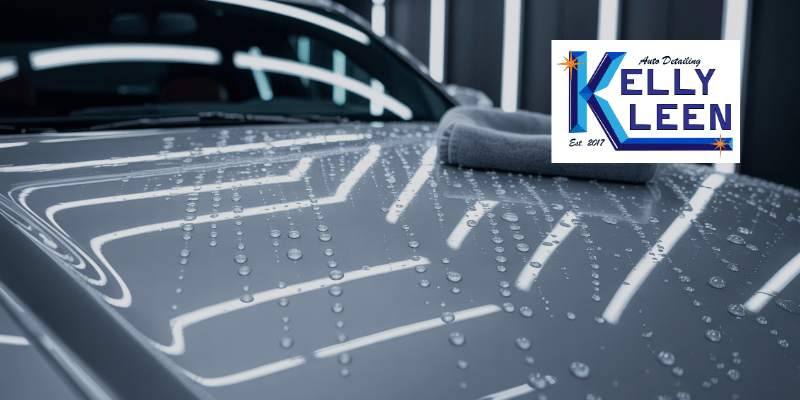
- Loss of hydrophobic behavior
- Increased contaminant bonding
- Dullness and haze
- Etching and staining
This is why vehicles exposed to brine feel rough even after washing.
Brine and Undercarriage Damage Go Hand in Hand
The undercarriage takes the brunt of brine exposure. Liquid brine sprays upward while driving, coating areas most drivers never see.
High-risk undercarriage areas include:
- Frame rails
- Brake lines
- Suspension components
- Exhaust hangers
- Control arms
- Fuel and coolant lines
Because brine stays wet, it accelerates corrosion far faster than dry salt.
Why Missouri Winters Make Brine Even Worse
Missouri’s freeze–thaw cycles intensify brine damage. During the day, brine remains liquid. Overnight, temperatures drop. Moisture freezes, expands, and then thaws again.
This cycle:
- Pulls brine deeper into seams
- Weakens protective coatings
- Traps moisture longer
- Speeds up corrosion
Vehicles parked outside or driven daily experience this cycle repeatedly throughout winter.
Why Skipping Winter Washing Makes Brine Damage Permanent
Some drivers avoid washing in winter, fearing frozen doors or seals. Unfortunately, skipping washes allows brine to remain on surfaces for weeks at a time.
When brine is left in place:
- Protective layers fail faster
- Paint contamination increases
- Rust begins forming underneath
- Spring cleanup becomes more aggressive
Winter washing removes active chemicals before they can do lasting harm.
Why Quick Drive-Through Washes Are Not Enough
Automatic washes may remove visible grime, but they often fail to fully remove brine from critical areas.
Common shortcomings include:
- Minimal undercarriage flushing
- No attention to seams or wheel wells
- Re-depositing dirty water
- Brushes dragging brine across paint
Professional detailing focuses on full decontamination, not just surface appearance.
How Professional Detailing Protects Against Brine Damage
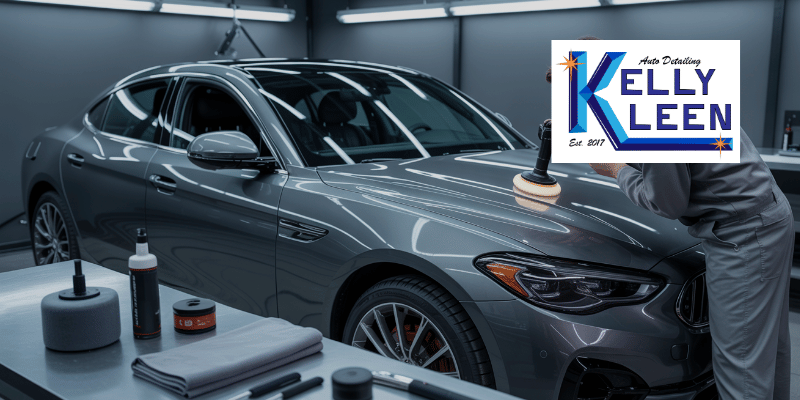
Kelly Kleen approaches winter protection with a prevention-first mindset.
A proper winter detail includes:
- Thorough exterior wash
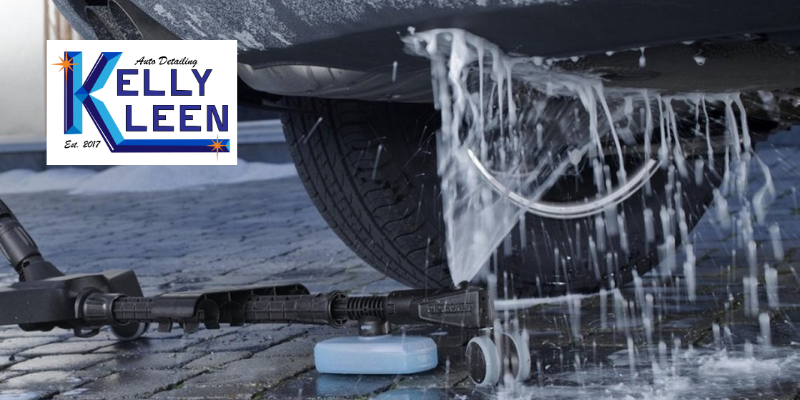
- Undercarriage cleaning
- Wheel well flushing
- Chemical decontamination
- Clay treatment if needed
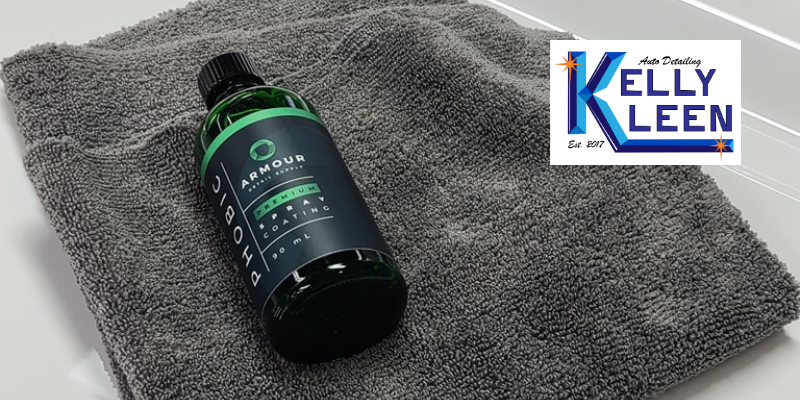
- Application of paint protection
- Interior moisture checks
This process removes active brine and creates a barrier against future exposure.
Why Paint Protection Is Critical During Brine Season
Paint protection creates a sacrificial layer that takes the abuse instead of your clear coat.
Protected paint:
- Repels brine and slush
- Cleans easier
- Reduces chemical bonding
- Preserves gloss and clarity
- Slows oxidation
This is true whether the protection is wax, sealant, or ceramic coating.
Undercarriage Care Is Just as Important as Paint Care
Many drivers focus on paint and forget what they cannot see. Brine damage underneath often leads to costly repairs years later.
Undercarriage detailing helps:
- Reduce corrosion
- Extend suspension life
- Protect brake components
- Preserve structural integrity
Winter is when undercarriage care matters most.
How Often Missouri Drivers Should Remove Brine
During active winter weather, brine should be removed:
- After heavy storms
- After long highway drives
- At least every two to three weeks
Waiting until spring allows damage to accumulate unnoticed.
Why Brine Damage Shows Up Months Later
One of the most frustrating aspects of brine damage is delayed symptoms.
Drivers often notice:
- Rust spots appearing in spring
- Paint roughness months later
- Staining that will not wash off
- Clear coat failure in summer
By then, the damage is already done.
The Long-Term Cost of Ignoring Brine Exposure
Ignoring brine leads to:
- More aggressive paint correction
- Earlier repainting
- Rust repairs
- Brake and suspension issues
- Reduced resale value
Preventative winter care costs far less than repairing long-term damage.
Protecting Your Vehicle Through Missouri Winters
Missouri road brine is unavoidable, but long-term damage is not. Regular winter washing, professional detailing, and proper paint protection significantly reduce the impact brine has on your vehicle.
If you want your paint and undercarriage to survive Missouri winters with less damage and easier spring cleanup, Kelly Kleen offers winter-focused detailing services designed for local road conditions.