Is Your Car's Smell Costing You Money? How Odors Affect Trade-In and Resale Value

If you’ve ever stepped into a used car and caught a whiff of something funky — cigarette smoke, mildew, fast food — you already know how powerful scent can be. But did you know that your car's smell could actually cost you hundreds or even thousands of dollars at trade-in or resale? This is especially true here in Missouri, where humid conditions and rural environments can intensify interior odors.
In this guide, we’ll walk through how common smells form, why they matter to dealers and private buyers, and how professional detailing from a company like Kelly Kleen Auto Detailing can preserve your vehicle’s value — especially in places like Washington, Union, and Pacific, MO.
Why Car Odors Are a Deal Breaker
First Impressions Matter
When someone opens your car door, they notice three things right away:
- The overall cleanliness
- The interior layout and wear
- The smell
Dealers and private buyers alike make snap judgments based on these sensory cues. A clean interior with a bad odor still reads as “neglected” — no matter how spotless it looks.
Appraisers Smell Before They Speak
Many dealerships (especially around St. Louis and Franklin County) factor odor into their trade-in formula. Odors signal potential interior damage, like mold in the HVAC system or deep-set spills in the carpet padding. If they smell smoke, mildew, or pet odor, they often reduce your offer because they assume they'll need to invest in odor removal themselves.
Buyers Want a Fresh Start
Private buyers in rural Missouri want vehicles that feel “new” even when they’re not. A lingering fast food smell, muddy dog aroma, or stale air can ruin that illusion — and lower your negotiating power.
Common Causes of Bad Odors in Missouri Cars
1. Smoke and Vapes
Smoking in a car creates an oily residue that seeps into upholstery, vents, and headliners. Even vaping leaves behind a chemical odor that builds over time. Rural areas like Union and Rosebud may not enforce indoor smoke-free rules, so it’s easy to forget how offensive this can be to non-smokers.
2. Pet Transport
Missourians love their pets — but fur, dander, and “accidents” can create lasting smells. Long rides from farms or outdoor excursions near Meramec State Park often leave behind muddy paw prints and embedded odors in cloth seats and trunk spaces.
3. Mildew and Moisture
With Missouri’s high humidity levels, especially near the Bourbeuse River, trapped moisture under floor mats or in upholstery can foster mold and mildew. It only takes 24–48 hours of moisture for mildew to start forming — and the smell is unmistakable.
4. Spills and Food Waste
Coffee, milk, soda, and even crumbs from fast food can lead to deep-set odors that vacuuming alone won’t fix. When these seep into your seat foam, they break down over time and release foul smells.
5. Rodent Intrusions
Cars left undriven — like garage-kept vehicles or work trucks parked near woods or fields in places like Villa Ridge — sometimes attract rodents. Their droppings or nesting materials can stink up the HVAC system or rear panels.
How Odors Kill Resale and Trade-In Value
Dealers Know Odors Are Expensive to Fix
Odor removal isn’t cheap when done correctly. Ozone treatment, deep shampooing, or complete upholstery replacement are costly. That’s why many dealers reduce their offer upfront if a vehicle smells off.
Private Buyers Are Easily Spooked
Smells are invisible warning signs. Even if the vehicle has a clean Carfax report, a bad odor can make a buyer think there’s hidden damage. You’ll likely get fewer inquiries and lower offers when selling privately.
Online Listings Fall Flat
Photos may show a pristine interior, but a buyer’s first visit can go south instantly if the car smells unpleasant. Odors aren’t something you can Photoshop away.
What Professional Detailing Can Do to Save the Sale
1. Deep Extraction and Shampooing
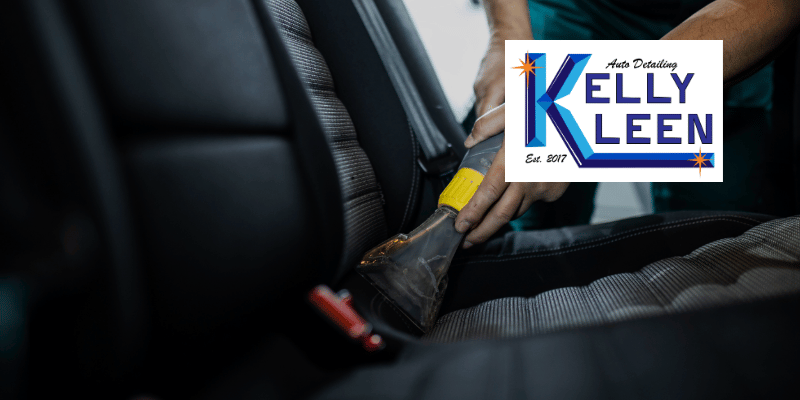
Kelly Kleen uses high-powered extractors that clean deep into carpet padding and seat foam — where smells actually live. DIY sprays only mask odor; we remove it at the source.
2. Ozone Treatment
An ozone machine generates ozone gas to neutralize lingering organic smells like smoke, mildew, and pet odor. This is especially useful for rural vehicles stored long-term or used on farms.
3. HVAC Deodorizing
Smells often hide in the air conditioning system. We clean out the vents and install deodorizing treatments to keep your cabin smelling clean for months.
4. Stain and Spill Removal
A thorough interior detail from Kelly Kleen includes spot treatment for common stains — from coffee to pet accidents — all of which contribute to odor buildup over time.
5. Fabric & Leather Conditioning
Leather interiors, often found in higher-end vehicles around Washington and Gray Summit, need special conditioning to prevent odor-absorbing cracks and dryness.
Real-Life Examples from Franklin County
- A customer in Pacific, MO brought in a Toyota Tacoma that had been smoked in for years. After a full interior shampoo and ozone treatment, the truck sold for $1,200 more than initial dealer estimates.
- A farm owner near Union used his SUV to transport wet dogs and hunting gear. The resulting mildew and pet odors were removed in one session, and he reported a smooth private sale the next week.
- A retired couple in Washington noticed a “musty” smell in their garage-kept sedan. Kelly Kleen identified a slow leak under the floor mat, removed the moisture, treated the mildew, and restored a fresh scent.
What You Can Do Today
1. Smell Your Own Car
Seriously. Get in your vehicle after it’s been shut for a few hours and breathe deeply. If you notice anything funky, it’s time to act.
2. Don’t Rely on Air Fresheners
They only mask the problem — and often make it worse by layering synthetic fragrances over decay or mold.
3. Book a Professional Interior Detail
Especially if you plan to sell or trade in within the next year. A full interior detail can increase your resale value, reduce buyer hesitation, and make your car truly feel like new again.
Final Thoughts
In Missouri, your vehicle’s interior is exposed to humidity, mud, allergens, and everyday wear. But it’s the odor — the invisible threat — that can quietly cost you thousands when it comes time to sell. Whether you're in Union, Washington, or Pacific, don’t wait for the smell to become overwhelming.