Flooded Car Interior? What Missouri Drivers Should Do Before Calling a Detailer

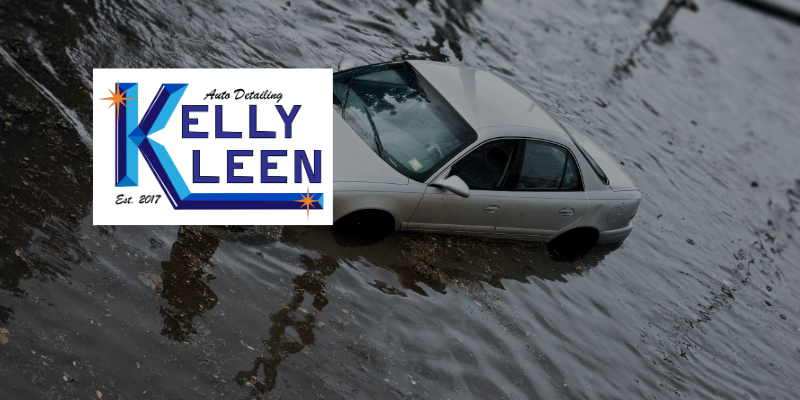
Heavy storms, swollen creeks, clogged drains, and sudden flash floods make Missouri one of the likeliest places for vehicles to experience water intrusion. Whether you live in Washington, Union, or Pacific, you’ve probably seen roads flood in minutes after a downpour. And even if your car isn’t fully submerged, a small amount of stormwater inside the cabin can cause serious problems if not addressed immediately.
A flooded or moisture-soaked interior is an emergency. Water trapped in carpets, padding, vents, or trunk areas fuels mold, mildew, corrosion, and long-lasting odors. This guide explains exactly what Missouri drivers should do the moment they discover water inside their vehicles and how Kelly Kleen’s professional detailing process restores interior health safely.
Why Missouri Vehicles Get Flooded So Easily
Missouri weather is unpredictable. Storms arrive quickly, and drainage systems in rural areas can overflow without warning.
The most common causes of interior flooding include:
- Flash flooding on county roads
- Parking in low spots during storms
- Water entering through faulty door or window seals
- Floodwater pushed into cabins by passing vehicles
- Clogged sunroof drains overflowing
- A/C drain blockages
- Stormwater leaking into the trunk or spare tire area
- Melted snow and slush trapped in carpets
Once water enters the cabin, it spreads into the padding beneath the carpet—an area that absorbs and holds moisture like a sponge.
The Dangerous Hidden Truth About Flooded Interiors
Most drivers assume a quick towel dry is enough. Unfortunately, that’s never true.
Floodwater creates immediate risks such as:
- Mold forming within 24–48 hours
- Sour, musty odors
- Rust under carpeting
- Electrical problems
- Contaminated ventilation causing recurring smells
- Bacterial growth in seat foam and padding
Moisture spreads farther and deeper than most people realize, which is why early action is so important.
Step 1: Stop Adding Moisture Immediately
The first and most important step is to prevent more water from entering the cabin.
Check for:
- Open doors or windows
- Leaking door seals
- Water dripping from the sunroof area
- Water entering through the HVAC intake
- Misaligned weatherstripping
Even light rain can worsen an already damp interior if the source is not stopped.
Step 2: Remove Standing Water Quickly
Removing standing water reduces how far moisture spreads downward into padding and sound-deadening materials.
Use:
- Towels
- A wet/dry shop vacuum
- Absorbent floor mats
Do NOT push water deeper into the carpet by rubbing or pressing down aggressively.
If water is deeper than a quarter inch, professional extraction becomes essential.
Step 3: Lift Mats and Inspect the Carpet
This is where most Missouri drivers miss the real problem. Carpet faces upward, but padding is the real danger zone.
Look for:
- Dampness under mats
- Wet insulation
- Water pooling around seat rails
- Moisture in door sills
- Damp trunk liners
If the padding is saturated, mold will begin developing even if the surface dries.
Step 4: Increase Airflow Immediately
Moisture that stays trapped under seats, mats, or carpeting will begin to smell within hours. Proper ventilation helps slow bacterial growth until a professional can treat the interior.
You can:
- Open doors if the weather is dry
- Place fans near the interior
- Park in a sheltered area with airflow
- Run the vehicle’s A/C with fresh air mode
However, this step only slows mold formation. It does not eliminate trapped moisture.
Step 5: Avoid Air Fresheners or Odor Sprays
Many people try to mask the smell of floodwater, but odor sprays only trap moisture inside fabric and create a stronger, more complex odor later.
Masking agents don’t work because:
- Floodwater contains bacteria
- Moisture continues feeding mildew
- The odor comes from padding, not surface fabric
- Sprays mix with sour smells instead of eliminating them
Kelly Kleen stresses that the cause must be removed, not covered up.
Step 6: Check Common Leak Points After a Missouri Storm
Water often enters through areas drivers rarely inspect.
Common leak sources include:
- Cracked door seals
- Failing window seals
- Clogged sunroof drains
- Blocked A/C drain tubes
- Damaged gaskets in the trunk
- Missing plugs in the floor pan
If stormwater keeps returning, one of these sources is likely responsible.
Step 7: Do Not Ignore Musty or Sour Smells
A musty smell is the first sign of active mildew. This odor means bacteria have already begun feeding on moisture trapped in the padding or vent system.
Even after surface drying, the smell will return unless deep extraction and sanitizing are performed.
Why DIY Methods Fail to Fix Flood Damage
You cannot dry a flooded cabin by surface wiping or letting the car sit in the sun. Floodwater absorbs into layers that household tools cannot reach.
DIY attempts fail because:
- Carpet padding holds moisture for days
- Foam seat cushions soak up water
- Moisture becomes trapped under rails and trim
- Vents trap humidity
- Household vacuums lack extraction power
- No ozone or enzyme treatment is used
- Bacteria remain even after drying
Only extraction tools designed for automotive interiors can remove deep moisture.
Kelly Kleen’s Professional Flood Recovery Process
When moisture enters your vehicle, professional intervention prevents mold, bacteria, and long-term odor problems. Kelly Kleen uses a specialized process designed for Missouri’s wet climate.
Step 1: Moisture Source Identification
Technicians check:
- Leaks
- Seals
- Drain blockages
- A/C moisture issues
- Water pathways
Fixing the source prevents future flooding.
Step 2: Deep Extraction
Commercial extractors remove water from:
- Carpets
- Padding
- Seat foam
- Trunk liners
This is the only way to eliminate moisture quickly enough to stop mildew.
Step 3: Enzyme or Ozone Treatment
Depending on the contamination level, technicians apply:
- Enzymes to break down bacteria
- Ozone treatments to eliminate odors
- Specialized cleaners for organic residue
This targets the root cause of the smell.
Step 4: Steam Sanitizing
Steam kills bacteria and helps loosen dirt, grime, or storm residue trapped in:
- Carpet fibers
- Seat fabrics
- Vents
- Hard plastics
Steam is especially important during high-humidity months.
Step 5: Full Drying and Ventilation
Proper airflow is restored using fans and moisture detection tools. Ensuring dryness prevents mold from returning.
Step 6: Cabin Filter Replacement
Floodwater and humidity quickly contaminate cabin filters. Replacing the filter improves airflow and eliminates lingering odors.
When You Should Call a Detailer Immediately
You need professional help if:
- Carpets feel damp underneath
- There is more than minor water on the floor
- A musty odor appears
- Water soaked into seat cushions
- You see staining or dark patches
- The trunk area is wet
- Electrical components are acting strange
At this point, waiting will only worsen the damage.
How Missouri’s Climate Makes Flooded Interiors Worse
One of the biggest challenges for Missouri drivers is humidity. Even after water appears to dry, humidity keeps moisture trapped deep inside fabrics.
Missouri humidity causes:
- Slow evaporation
- Lingering odor issues
- Increased mildew formation
- Condensation inside closed vehicles
This is why flooded interiors deteriorate much faster here than in drier states.
How to Prevent Future Flooding
A few simple habits drastically reduce the risk of water intrusion.
Maintain Door and Window Seals
Inspect and wipe seals after storms.
Keep Sunroof Drains Clear
Flush the drains periodically to prevent overflow.
Clean the A/C Drain
A blocked drain tube pushes water inside instead of onto the pavement.
Avoid Parking in Low Spots
Stormwater rises quickly in parking lots and driveways.
Address Moisture Immediately
Even small spills can turn into mildew during humid months.
Protecting Your Vehicle From Flood Damage Year-Round
Missouri weather makes water intrusion a constant threat, but acting quickly can save your interior from permanent damage. If your vehicle has been flooded or shows signs of moisture buildup, Kelly Kleen’s flood recovery process removes moisture at the source and restores a clean, healthy cabin.
Don’t wait for mold to spread or odors to worsen. Your interior can be saved if treated early.