
How to Prep Your Car for Long Dirt-Road Drives in Rural Missouri

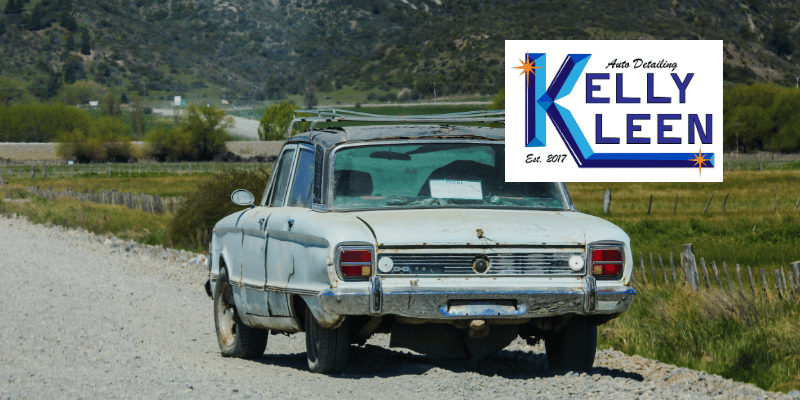
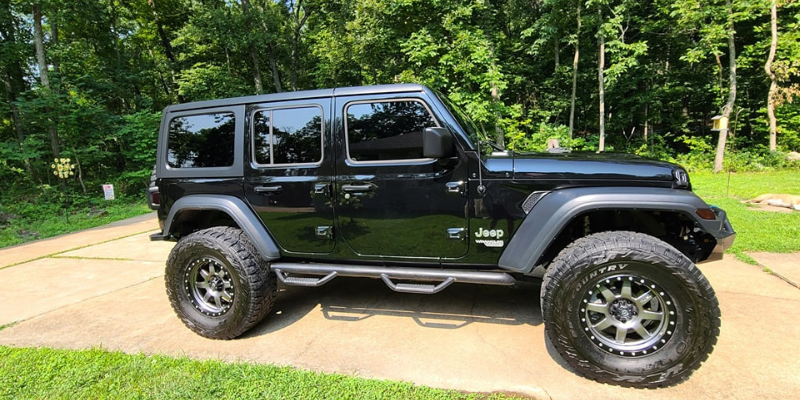
Long dirt-road drives are a part of everyday life for many Missouri drivers. Whether you’re heading to a farm property, working on a construction site, commuting between Washington and Pacific, or picking up kids after sports practice, gravel roads and rural access paths expose your vehicle to more dust, grit, and moisture than most people realize. Over time, this repeated exposure can wear down your undercarriage, clog your vents, grind grit into your cabin, and leave your paint dull and contaminated.
This guide explains how to prepare your vehicle for regular dirt-road driving in Franklin County and what steps help protect your paint, interior, and underbody from long-term damage. With the right routine and professional detailing help, your vehicle can stay cleaner, safer, and better protected year-round.
Why Dirt Roads in Missouri Are So Harsh on Vehicles
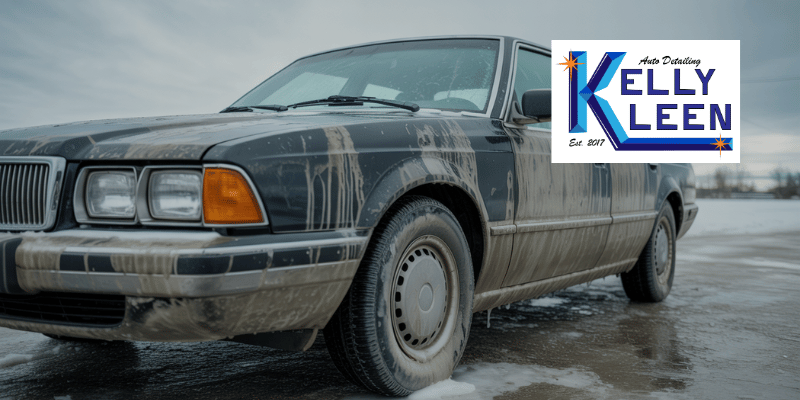
Missouri dirt and gravel roads are uniquely challenging because of the mix of materials they contain. Many rural roads use limestone-based gravel, clay-rich soil, and agricultural dust. When these materials dry out or get disturbed by traffic, they produce fine particles that stick to surfaces and settle into tight spaces.
Dirt roads generate:
- Gravel dust
- Clay powder
- Tar spots on access paths
- Pollen from nearby fields
- Plant debris
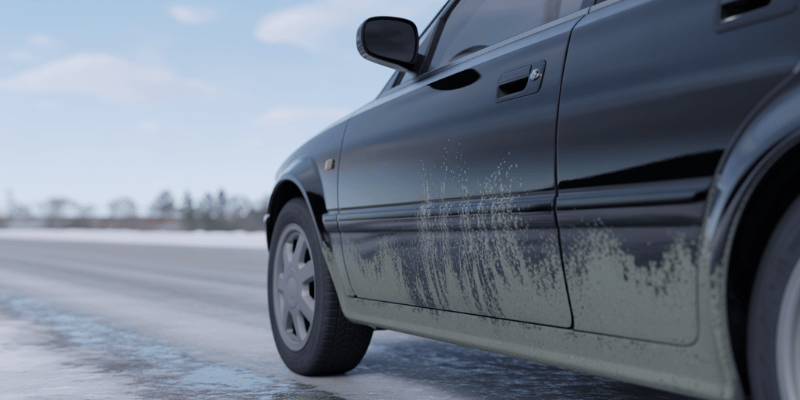
- Mud splatter after storms
- Small stones that chip paint
Combined with humidity and seasonal weather patterns, these contaminants build up fast.
The Hidden Dangers of Long Dirt-Road Driving
Just because dust washes away doesn’t mean the damage is gone. Dirt-road contamination affects your vehicle at deeper levels.
1. Undercarriage Damage
Dust, mud, and gravel accumulate in:
- Frame cavities
- Wheel wells
- Brake components
- Suspension joints
- Skid plates
Left alone, this leads to corrosion, premature brake wear, and rusting.
2. Paint Contamination and Etching
Dust and grit stick to the clear coat and create:
- Rough texture
- Dull shine
- Bonded contaminants
- Micro-scratches
Gravel also increases the chance of rock chips on hoods, fenders, and bumpers.
3. Interior Dust Infiltration
Fine particles enter the cabin through:
- HVAC intake vents
- Door seals
- Shoes and clothing
- Carpet fibers
Gravel dust is especially invasive and settles deep into upholstery seams.
4. Ventilation Problems
Dust clogs vents and cabin filters, causing:
- Weak airflow
- Musty smells
- Increased allergies
- Foggy windows
- Irritation when using A/C or heat
5. Moisture Buildup
After storms, mud and wet dirt trap moisture around underbody components, creating rust and mold risks.
Step 1: Inspect and Protect Your Undercarriage Before Long Dirt-Road Trips
The undercarriage is the most important area to prepare, yet it’s often overlooked.
Clean Out Previous Build-Up
Before you travel, make sure last trip’s mud and dust are gone. Trapped buildup causes:
- Rust
- Wear on metal
- Brake issues
- Premature suspension deterioration
Use Undercarriage Spray Protection
A safe protectant helps reduce moisture cling and makes cleaning easier afterward.
Check Wheel Wells
Remove dried dirt from:
- Plastics
- Liner edges
- Metal seams
This prevents moisture pockets and rust spots.
Step 2: Check and Clean Door and Weather Seals
Missouri dirt roads blow dust into door seals. If the seals aren’t clean, every door opening releases grit into the cabin.
Clean seals with a damp microfiber towel
Removing dust and clay helps:
- Prevent seal wear
- Reduce cabin infiltration
- Improve moisture control
Check seals for cracks or gaps
Damaged seals let dust and moisture in much faster.
Step 3: Clean Your HVAC Intake and Replace the Cabin Filter Regularly
Dirt-road dust clogs your HVAC system faster than city driving.
Check the intake area
The vent at the base of your windshield collects:
- Dust
- Pollen
- Mud spray
- Leaf fragments
Cleaning this area prevents airflow issues.
Replace the cabin filter every 15,000–20,000 miles
Rural drivers in Washington, Union, and Pacific often need yearly replacements due to gravel dust and agricultural debris.
Step 4: Prep Your Exterior Before Dirt-Road Driving
Your paint needs extra help to withstand dirt-road abrasion.
Apply a protective layer
Protection options include:
- Wax
- Sealant
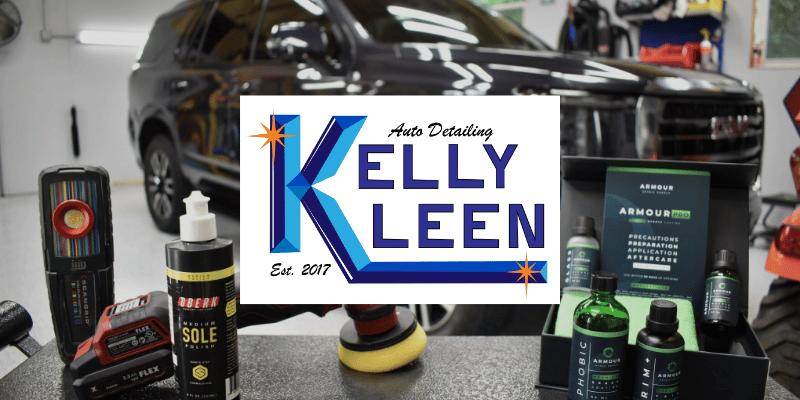
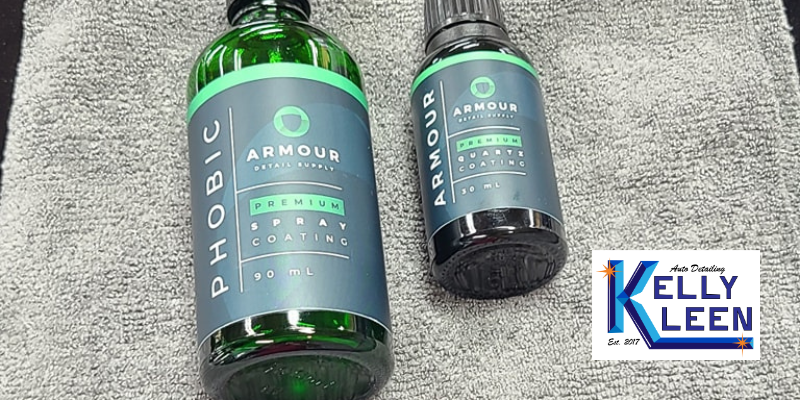
- Ceramic topper
- Full ceramic coating
A protected surface:
- Collects less grime
- Cleans easier
- Resists staining
- Reduces micro-scratches
Pay extra attention to lower panels
Rocker panels, bumpers, and fenders see the most impact from flying stones and dust.
Step 5: Inspect Your Tires and Wheel Wells
Dirt roads can hide hazards like nails, sharp gravel, and embedded stones.
Look for:
- Chunks of gravel in treads
- Sidewall cuts
- Uneven wear caused by debris
- Packed mud reducing traction
Clean wheel wells to reduce the chance of mud hardening and restricting suspension movement.
Step 6: Protect Your Interior from Dust and Dirt
Interior dust is more than a convenience issue—it affects air quality and comfort.
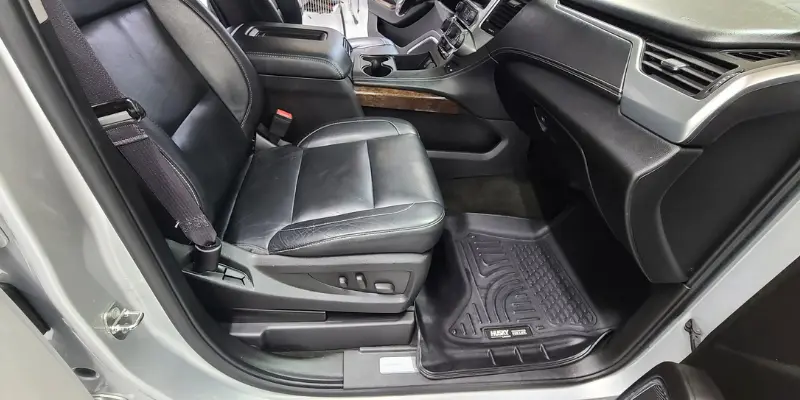
Use all-weather mats
Rubber mats catch grit from shoes and prevent deep carpet contamination.
Vacuum weekly
This keeps gravel and dust from embedding in fibers.
Encourage kids to shake off shoes before entering
A simple habit that prevents interior buildup.
Keep windows closed on all dirt-road stretches
This prevents airborne clay dust from filling your cabin.
Step 7: Prepare an Emergency Dust and Mud Kit
Rural Missouri drivers should always carry a basic cleaning kit for quick roadside care.
Your kit should include:
- Quick-detail spray
- A bug and tar sponge
- Microfiber towels
- A soft brush
- Spare cabin air freshener (non-scented to avoid masking odors)
- Water bottle for rinsing small spots
This kit helps treat contaminants before they dry or become difficult to remove.
Step 8: Clean Your Vehicle After Every Dirt-Road Trip
Waiting too long to clean your vehicle gives contaminants time to bond.
Exterior cleaning should focus on:
- Removing dust from paint
- Rinsing wheel wells
- Clearing the undercarriage
- Washing lower panels thoroughly
Interior cleaning should include:
- Vacuuming carpets
- Wiping seals
- Cleaning vents
- Checking for moisture
Dirt-road trips leave behind contamination that continues spreading if not cleaned promptly.
Step 9: When to Schedule Professional Detailing After Dirt-Road Driving
Some signs indicate it’s time for professional help.
Schedule a detail if:
- Paint feels rough during the bag test
- You see dullness or haze
- Dust returns quickly after cleaning
- The cabin smells earthy or musty
- Vent airflow weakens
- Interior dust collects in seams
- Wheels accumulate stubborn brake and dust residue
Professional detailing resets your vehicle and prevents long-term damage.
Step 10: Missouri Weather Makes Dirt-Road Prep More Important
Each season affects dirt-road driving differently.
Spring
- Pollen mixes with dust
- Roads soften and create mud
- Air moisture increases contamination
Summer
- Dry gravel creates thick dust clouds
- Bug splatter increases
- UV rays bake contaminants onto paint
Fall
- Harvest debris enters the air
- Roads harden and cause more rock spray
- Leaves collect in seals and vents
Winter
- Salt mixes with gravel dust
- Mud freezes and sticks to undercarriages
- Meltwater increases moisture in carpets
Adjusting your routine each season protects your vehicle from worsening buildup.
Keep Your Vehicle Ready for Every Dirt-Road Trip
Rural Missouri roads challenge your vehicle constantly, but the right prep and cleaning routine prevent long-term damage. Whether you drive daily gravel roads or only occasionally use backroads, taking the time to protect your paint, interior, and undercarriage ensures your vehicle stays cleaner, healthier, and stronger for years.
If your car needs a reset after long dirt-road trips or you want to protect it more effectively, Kelly Kleen offers detailing packages designed specifically for Missouri conditions.