Winter Is When Paint Protection Matters Most (Here’s Why Missouri Drivers Miss It)

Most Missouri drivers think about paint protection when the weather turns warm. Spring brings car shows, summer road trips, and a renewed interest in shine. But that mindset misses the season that causes the most long-term paint damage of all: winter.
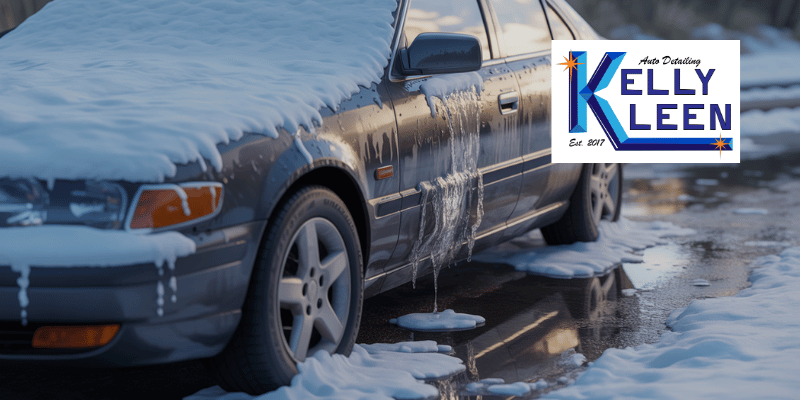
Between road salt, liquid brine, gravel dust, freeze-thaw cycles, and constant moisture, Missouri winters quietly do more damage to your paint than summer sun ever could. For drivers in Washington, Union, and Pacific, winter is not the time to neglect paint protection. It is when protection matters most.
This article explains what winter really does to your paint, why waiting until spring costs more, and how proper protection helps your vehicle survive Missouri winters with less damage and easier cleanup.
Why Missouri Winters Are So Hard on Automotive Paint
Winter damage is subtle at first. Unlike summer UV damage, which fades paint gradually, winter contamination attacks the clear coat at a microscopic level.
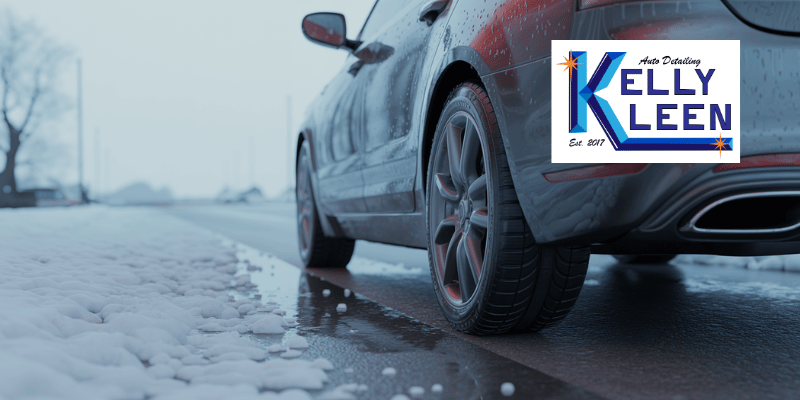
Missouri winter roads expose your vehicle to:
- Road salt
- Liquid brine solutions
- Gravel dust and sand
- Freeze-thaw expansion
- Constant surface moisture
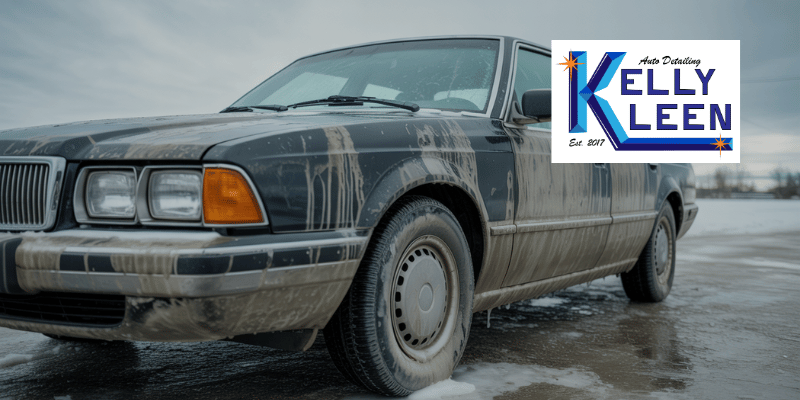
- Dirty slush splatter
- Traffic spray carrying chemicals
Each of these elements weakens paint protection and accelerates long-term wear.
Salt and Brine Don’t Just Sit on Paint — They Penetrate It
Many Missouri drivers think salt damage is limited to rust underneath the car. In reality, salt and brine attack paint directly.
What road brine does to paint:
- Breaks down wax and sealants faster
- Pulls moisture into the clear coat
- Leaves mineral residue after drying
- Creates a sticky film that traps grit
- Accelerates oxidation when temperatures fluctuate
Brine is especially aggressive because it stays wet longer than dry salt. That moisture gives chemicals more time to interact with your paint.
Gravel and Sand Turn Winter Driving Into Abrasive Wear
Missouri winters rely heavily on gravel and sand for traction, especially on rural roads. That material does not just stay on the pavement.
It gets:
- Thrown into rocker panels
- Blasted against lower doors
- Embedded into front bumpers
- Trapped behind wheel wells
- Dragged across paint during washing
Over time, this creates micro-scratches that dull paint and weaken the clear coat’s ability to repel contaminants.
Why Winter Washing Without Protection Makes Things Worse
Many drivers try to wash more often in winter to remove salt. That instinct is correct, but without protection it can cause additional wear.
Unprotected paint:
- Grabs dirt more easily
- Requires more agitation to clean
- Scratches faster during cold washes
- Holds onto brine residue
- Develops a rough texture
Paint protection acts as a sacrificial layer. It takes the abuse so your clear coat doesn’t have to.
What Paint Protection Actually Does in Winter
Paint protection is not just about gloss. In winter, its main role is defense.
A protected surface:
- Repels salty water and slush
- Reduces chemical bonding
- Makes rinsing more effective
- Limits grit adhesion
- Prevents brine from lingering
- Slows oxidation
- Preserves clear coat thickness
This applies whether the protection is wax, sealant, or ceramic.
Why Ceramic Coatings Are Especially Valuable in Winter
Ceramic coatings perform exceptionally well in Missouri winters because they create a dense, hydrophobic barrier.
Winter benefits of ceramic coatings include:
- Faster salt and brine runoff
- Easier cleaning with less contact
- Reduced need for harsh chemicals
- Better resistance to chemical etching
- Longer-lasting protection than wax
While coatings still require maintenance, they dramatically reduce winter-related paint damage when installed properly.
Why Waiting Until Spring Costs More
Spring detailing often reveals damage that happened months earlier.
Kelly Kleen frequently sees:
- Etching from brine residue
- Rough paint from bonded contaminants
- Dull finishes requiring polishing
- Increased swirl marks
- Staining on lower panels
Correcting this damage requires paint correction, which costs more than preventative protection.
Protecting paint before and during winter minimizes the need for aggressive polishing later.
Lower Panels Take the Worst Abuse in Winter
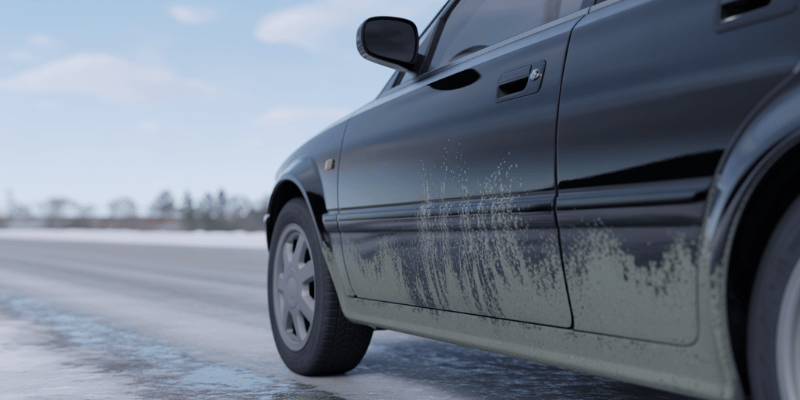
The lower half of your vehicle absorbs most winter damage.
These areas see:
- Constant slush spray
- Concentrated salt exposure
- Grit abrasion
- Moisture retention
Paint protection on rocker panels, bumpers, and lower doors is especially important for Missouri drivers.
Winter Paint Damage Is Not Always Visible Right Away
One reason winter damage gets overlooked is that it does not always show immediately.
Problems often appear months later as:
- Fading
- Loss of gloss
- Staining
- Clear coat thinning
- Difficulty keeping the car clean
By the time damage is visible, it is already embedded in the paint.
How Professional Detailing Prepares Paint for Winter
Proper winter prep is more than applying protection. The surface must be clean and decontaminated first.
Kelly Kleen’s winter prep process typically includes:
- Thorough wash to remove surface grime
- Iron and mineral decontamination
- Clay treatment to remove bonded grit
- Paint inspection
- Application of wax, sealant, or ceramic protection
This ensures protection bonds correctly and performs throughout winter.
Winter Maintenance Keeps Protection Working
Even protected paint needs care during winter.
Best practices include:
- Regular maintenance washes
- Gentle washing techniques
- Avoiding aggressive brushes
- Removing heavy salt buildup promptly
- Inspecting lower panels after storms
These steps extend the life of your protection and reduce long-term damage.
Missouri Drivers Who Benefit Most From Winter Paint Protection
Winter paint protection is especially important if you:
- Drive rural or gravel roads
- Park outside
- Commute daily
- Travel highways frequently
- Keep vehicles long-term
- Plan to sell or trade in later
The more exposure your vehicle has, the more protection matters.
Winter Protection Is About Preservation, Not Shine
Shiny paint is a bonus. The real value of winter paint protection is preserving the health of your clear coat.
Missouri winters are harsh, but they do not have to permanently damage your vehicle. With the right protection and maintenance, your paint can come out of winter in far better condition.
If you want to reduce winter damage and make spring detailing easier and less expensive, Kelly Kleen offers paint protection solutions designed for Missouri roads and weather.