How to Protect Your Vehicle from Wildlife Hazards on Rural Missouri Roads

Driving through rural Missouri offers beautiful scenery, peaceful backroads, and open stretches of farmland. But it also means constant exposure to wildlife-related hazards that can damage your vehicle’s paint, glass, trim, and interior. Bugs, bird droppings, sap, roadkill residue, pollen, and even rodents all create problems that Missouri drivers in Washington, Union, and Pacific face throughout the year.
This guide explains the most common wildlife hazards, why they cause so much damage, and how Kelly Kleen’s detailing approach keeps your vehicle protected no matter the season.
Missouri Roads Expose Your Vehicle to Unique Wildlife Challenges
Rural highways, country roads, and farm areas create a perfect storm of natural contaminants that bond to your vehicle’s surfaces or infiltrate your cabin.
The most common wildlife hazards include:
- Bug splatter during warm months
- Tree sap from roadside parking
- Bird droppings in open lots and rural rest stops
- Pollen and plant debris in spring and fall
- Rodents nesting in engine bays
- Wildlife residue (tar, fur, oils) after driving near roadkill
Each contaminant behaves differently on paint, and some begin damaging your clear coat within minutes.
Why Bug Splatter Damages Missouri Vehicles So Quickly
Missouri’s warm seasons bring dense insect populations. The mixture of humidity and heat causes bug guts to bake onto your paint.
Bug remains contain:
- Acids
- Proteins
- Enzymes
- Hard shells
As they sit on your clear coat, they soften and begin etching into the surface. On long highway drives between Pacific and Washington or through open farmland, vehicles can accumulate dozens of fresh impacts in minutes.
Why this is worse in Missouri:
- High humidity accelerates chemical reactions
- Heat bakes acids deeper into paint
- Evening drives attract more insects to headlights
- Bugs are larger in rural areas where farming attracts them
Ignoring bug splatter for even a day during summer can leave permanent marks.
The Hidden Damage Tree Sap Causes
Tree sap often drips onto vehicles parked beneath oaks, maples, or pines. Missouri towns have plenty of shaded parking spots and rural driveways surrounded by trees. Sap hardens into a resin that bonds aggressively to paint, trim, and glass.
Sap damage includes:
- Staining
- Sticky residue that collects dust
- Clear coat etching
- Hardened spots that require heat or chemicals to remove
Attempting to scrape sap only grinds grit into the paint, which can leave scratches.
Bird Droppings: A Serious Paint Hazard
Bird droppings may look harmless, but they contain acids strong enough to dull or discolor paint within hours.
Bird droppings cause:
- Chemical etching
- Water spots
- White outlines on dark paint
- Permanent dull patches
Missouri’s heat amplifies this damage. Sunlight warms the surface and causes the acids to react faster with the clear coat.
Pollen and Plant Debris: Slow, Steady Damage
Missouri’s forests and farm fields produce heavy pollen in the spring and fall. While pollen is small, it’s abrasive and sticks to:
- Paint
- Door seals
- Vents
- Carpet fibers
Mixed with moisture, pollen turns into a film that traps dust and begins forming buildup around crevices and seams.
Rodent Damage in Rural Missouri Vehicles
Rural drivers face an additional hazard that isn’t obvious: rodents. Mice are attracted to engine bays, insulation materials, and areas where food residue is present.
Rodent damage often includes:
- Chewed wiring
- Nesting materials
- Foul odors
- Contaminated vents
- Insulation damage
Detailing often reveals early signs of rodent activity that drivers haven’t noticed yet.
What NOT to Do When You Spot Wildlife Contamination
Some instinctive cleaning methods can create more damage. Avoiding these mistakes protects your paint from scratches and etching.
Don’t scrape dried contaminants
Tree sap, bird droppings, and bug remains require softening, not scraping. Scraping grinds grit into the clear coat and leaves micro-scratches.
Don’t use household cleaners
Products like window cleaner or dish soap strip paint protection and can damage trim.
Don’t apply pressure to dried bug splatter
If you scrub without softening the area first, you push acidic residue deeper.
Don’t use abrasive cloths or brushes
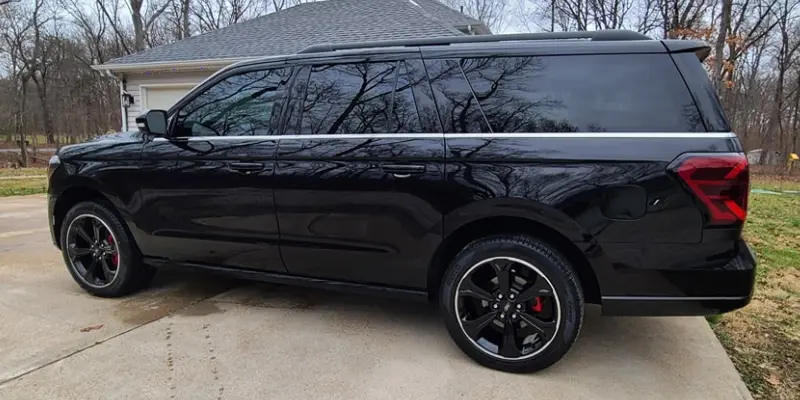
These scratch clear coat and leave swirl marks, especially on dark-colored vehicles.
The Proper Way to Handle Wildlife Contamination
Kelly Kleen recommends a gentle, methodical approach to wildlife contaminants. The goal is to soften and lift the debris before wiping.
Step 1: Soften the Contaminant
Use warm water or a safe quick-detail spray to loosen bug remains, sap, or droppings.
Step 2: Blot, Don’t Rub
Pat the area with a microfiber towel and allow the residue to soften further. Rubbing can drag grit along the paint.
Step 3: Lift the Material Gently
Once softened, the contaminant can be lifted away without force.
Step 4: Wash and Reprotect
After removal, wash the area and apply wax, sealant, or ceramic topper to restore protection.
This process prevents the deep etching that makes damage permanent.
Kelly Kleen’s Emergency Summer Kit for Rural Drivers
Missouri summers create ideal conditions for bug accumulation, sap, and bird droppings. Kelly Kleen suggests keeping a simple emergency kit in your vehicle for long trips.
Your kit should include:
- A small bottle of quick-detail spray
- Microfiber towels
- A bug sponge designed for paint
- A gentle pre-cleaning spray
- Gloves for messier cleanups
This kit allows you to treat fresh contaminants before they harden or etch your clear coat.
Why Wildlife Hazards Are More Severe in Franklin County
Local environments influence how wildlife contaminants behave. Franklin County’s mix of farmland, river valleys, and wooded areas produces a unique set of hazards.
The county experiences:
- Large insect swarms during summer
- Heavy pollen from forested areas
- Sap-heavy trees around residential zones
- High humidity that accelerates chemical reactions
- Frequent bird activity in open lots
- Rodents attracted to quiet rural parking spaces
These conditions make proactive care especially important.
How Kelly Kleen’s Detailing Process Removes Wildlife Contaminants Safely
Kelly Kleen uses a multi-step method to restore and protect your vehicle from wildlife-related contamination.
Pre-Soaking and Softening
Contaminants are softened using gentle solutions that loosen debris without damaging the paint.
Clay Treatment
Clay removes bonded contaminants left behind by bugs, sap, and plant debris. This step is essential for keeping paint smooth and clean.
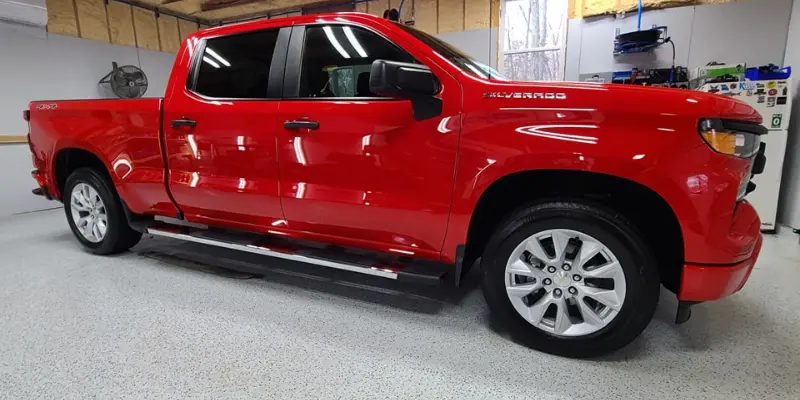
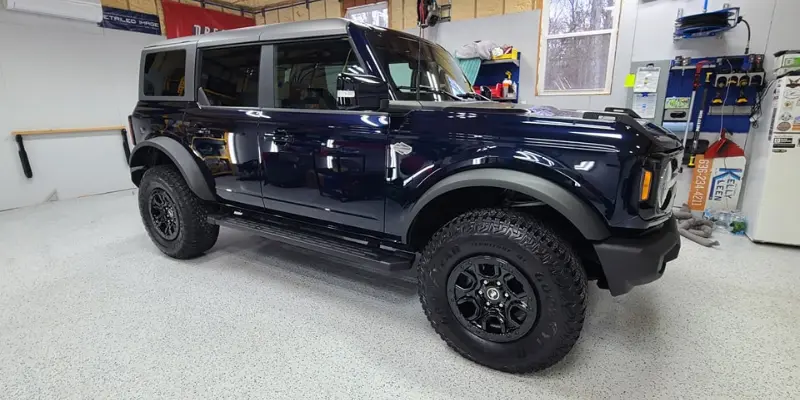
Paint Protection
After removing debris, Kelly Kleen reapplies:
- Sealants
- Waxes
- Ceramic toppers
- Long-term ceramic coatings (depending on the package)
Protection prevents future etching and makes contaminants easier to remove.
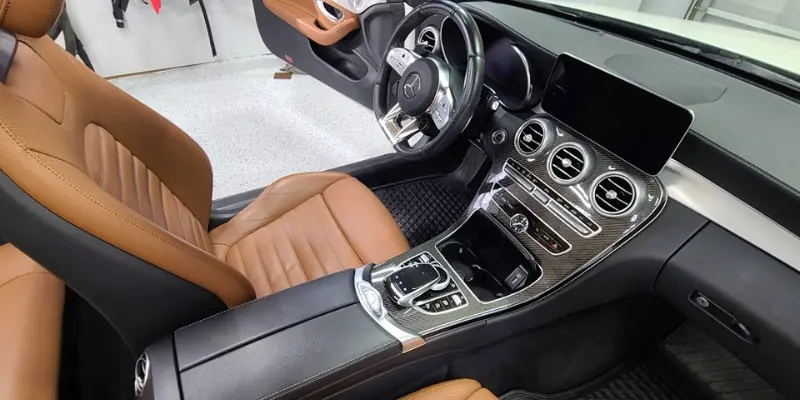
Interior and Vent Cleaning
Wildlife contaminants also enter:
- Floor mats
- Carpets
- Air vents
- Door seals
- Cupholders
Interior detailing eliminates odors and residue caused by wildlife debris and pollen.
Rodent Damage Inspection
Detailing often uncovers early signs of rodent damage. Addressing these issues early prevents costly repairs.
Seasonal Wildlife Risks in Missouri
Each season brings different threats. Understanding them helps you prepare.
Spring
- Pollen
- Bird droppings
- Sap
- Early bug activity
Summer
- Heavy bug splatter
- Tree sap
- Bird droppings in hot lots
Fall
- Plant debris
- Roadkill residue
- Rodent nesting
Winter
- Fewer bugs
- More rodent activity
- Sap from evergreen trees
Your cleaning routine should shift with the seasons.
Long-Term Damage Wildlife Contaminants Can Cause
If ignored, wildlife hazards lead to:
- Clear coat etching
- Deep scratches
- Paint discoloration
- Rust formation
- Permanent staining
- Foul odors inside
- Wiring damage in the engine bay
Early treatment is the key to protecting your vehicle.
When You Should Schedule a Professional Detail
Consider booking a detail if you notice:
- Stubborn bug splatter
- Sap spots that won’t budge
- Bird droppings that left white stains
- Strong odors entering from vents
- Sticky residues on exterior surfaces
- Rodent evidence near the engine
- Heavy pollen buildup on the interior
Professional tools make a dramatic difference in removing wildlife contamination safely.
Protecting Your Vehicle on Missouri Roads
Traveling through rural Missouri exposes your vehicle to more wildlife-related hazards than most drivers realize. With the right techniques and a regular detailing schedule, you can prevent long-term damage and keep your paint, interior, and air system in healthy condition.
If your vehicle is showing signs of wildlife contamination or needs a reset after a season of heavy exposure, Kelly Kleen is ready to help.