
Spring Paint Correction in Missouri: What Winter Really Did to Your Clear Coat

The first warm, sunny day in Missouri reveals something winter tried to hide.
You walk outside. The light hits your vehicle just right. And suddenly your paint doesn’t look as sharp as you remember. It feels dull. The reflections look hazy. Swirl marks appear that you swear weren’t there last fall.
Winter did not just make your car dirty. It quietly damaged your clear coat.
For drivers in Washington, Union, Pacific, and throughout Franklin County, spring is when winter damage becomes visible. This article breaks down what actually happened to your paint during Missouri’s cold months and why spring paint correction is often the only way to fully restore clarity and gloss.
Why Winter Damage Shows Up in Spring
Missouri winters flatten light. Overcast skies and grime mask imperfections. Once spring sunlight returns, defects become obvious.
Spring sunlight reveals:
- Swirl marks
- Micro-scratches
- Brine etching
- Water spotting
- Hazy reflections
- Dull lower panels
- Rough paint texture
The damage was building all winter. You just could not see it clearly.
What Road Brine Did to Your Clear Coat
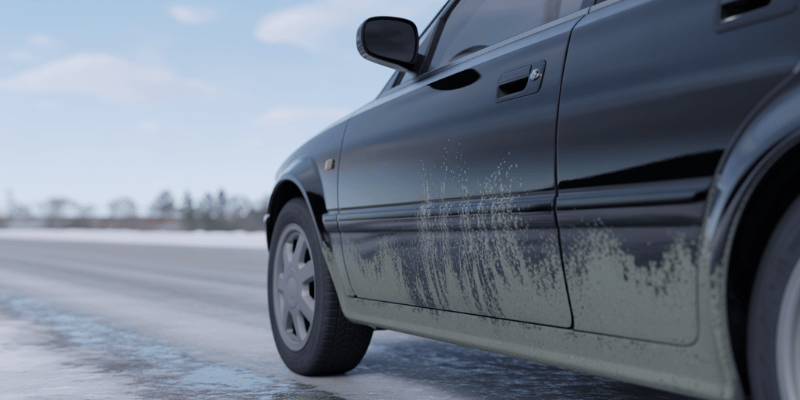
Liquid road brine is one of the most aggressive contaminants your vehicle faces. Unlike dry salt, brine stays wet and spreads evenly across surfaces.
Over time, brine:
- Breaks down wax and sealants
- Reactivates during freeze–thaw cycles
- Leaves mineral deposits
- Bonds to microscopic pores
- Causes chemical etching
Even after washing, light etching can remain embedded in the clear coat.
How Gravel and Sand Created Micro-Scratches
Missouri roads rely heavily on gravel and sand for winter traction. That material does not stay on the pavement.
It gets:
- Thrown into lower panels
- Blown across bumpers
- Embedded in wet paint
- Dragged during washing
Every time gritty residue is wiped across paint, micro-scratches form. These scratches scatter light, making paint look dull instead of glossy.
Why Your Paint Feels Rough After Winter
Run your fingers lightly across your hood. If it feels slightly gritty, that is bonded contamination.
Winter leaves behind:
- Mineral deposits
- Metal particles
- Brine residue
- Road film
- Organic debris
This contamination sits on and inside the clear coat. Washing alone does not remove it.
Freeze–Thaw Cycles Weakened Your Clear Coat
Missouri’s temperature swings accelerate paint wear.
Repeated freezing and thawing:
- Expands moisture in surface imperfections
- Weakens protective layers
- Increases chemical bonding
- Reduces clear coat elasticity
The result is a surface that is more vulnerable to scratching and dullness.
Why Lower Panels Look Worse Than the Rest of the Car
Look closely at your rocker panels and rear bumper corners. These areas receive constant winter spray.
Lower sections experience:
- Direct brine impact
- Slush accumulation
- Grit abrasion
- Prolonged moisture exposure
Spring correction often focuses heavily on these zones.
Why Washing Alone Does Not Fix Spring Paint Damage
Many drivers assume a good spring wash will restore shine. Washing removes surface grime but does not remove:
- Swirl marks
- Etching
- Embedded contamination
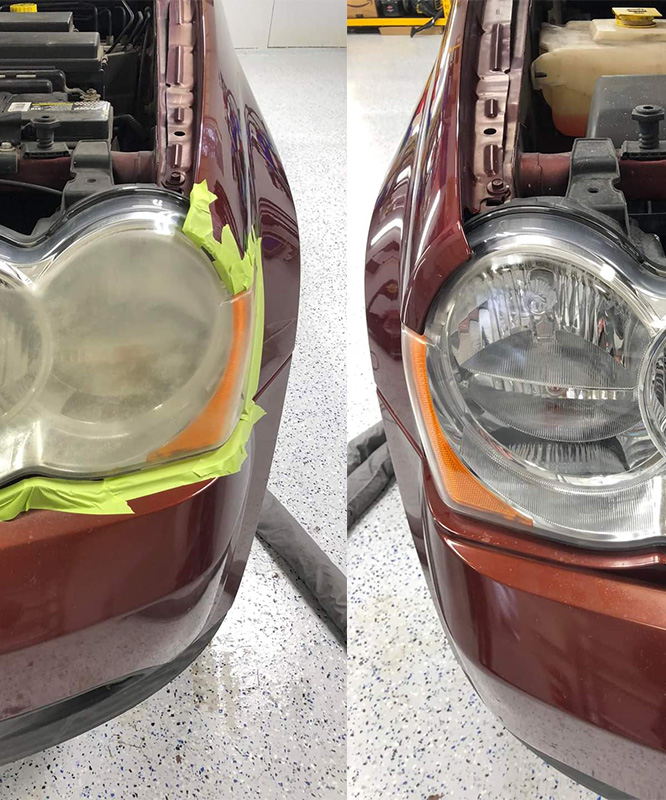
- Clear coat haze
- Oxidation
When light hits damaged paint, it exposes defects beneath the surface.
What Paint Correction Actually Does
Paint correction is the controlled polishing process that levels defects in the clear coat.
The process involves:
- Decontamination
- Clay treatment
- Paint inspection under proper lighting
- Machine polishing
- Refining to restore clarity
- Protecting the corrected surface
Correction removes microscopic imperfections so light reflects evenly again.
Why Spring Is the Ideal Time for Paint Correction
Spring offers:
- Moderate temperatures
- Stable humidity
- Better curing conditions for protection
- Immediate visual results in bright sunlight
Correcting paint in spring resets your vehicle before summer UV exposure intensifies damage.
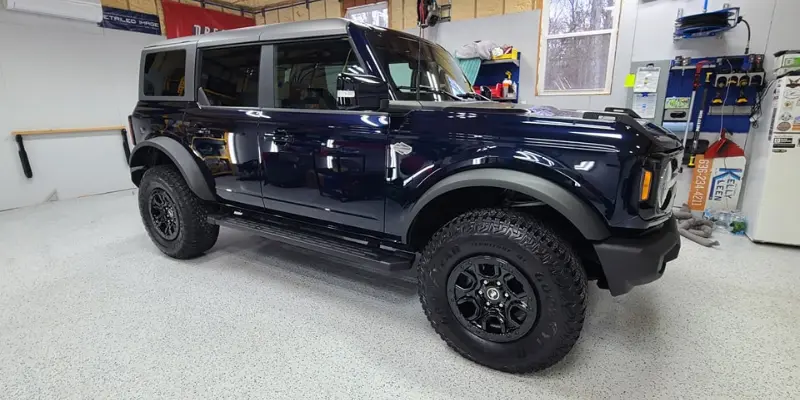
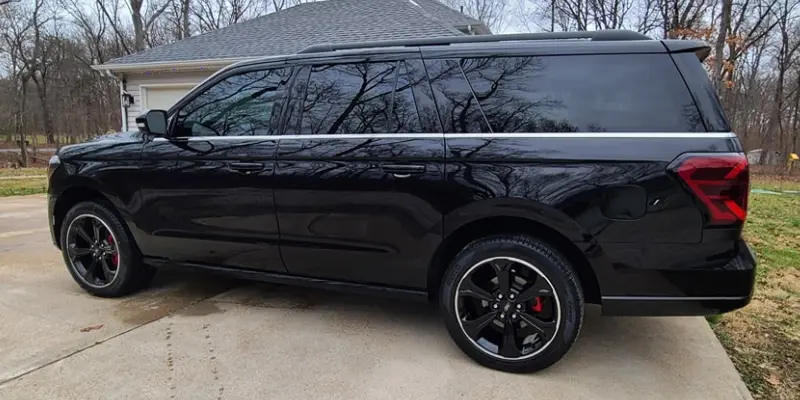
Why Dark-Colored Vehicles Need Spring Correction More Often
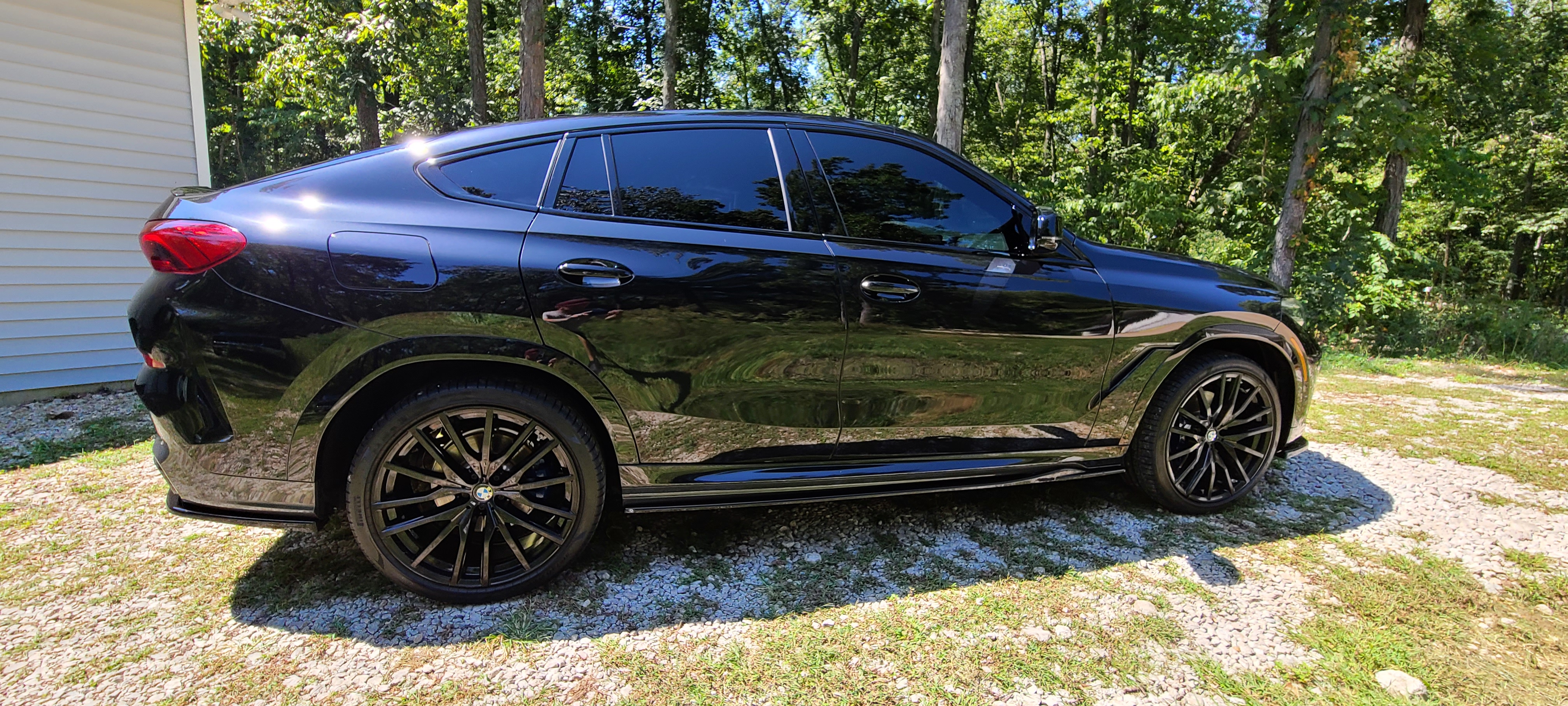
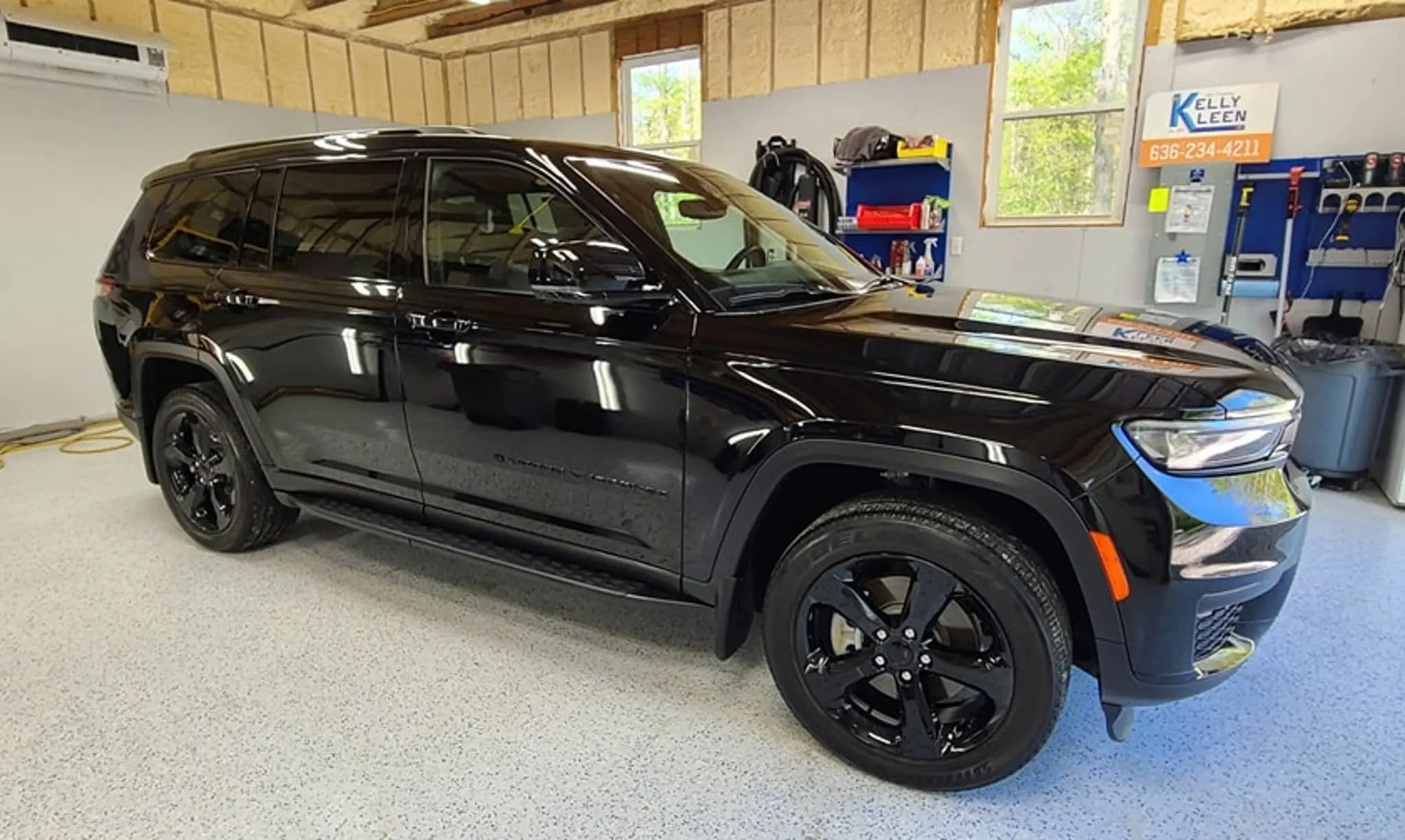
Black, dark blue, charcoal, and deep red vehicles show defects more clearly.
On dark paint:
- Swirls appear more dramatic
- Haze is more visible
- Etching stands out
- Lower panels look faded faster
Spring correction restores depth and mirror-like reflection.
What Happens If You Skip Spring Correction
Ignoring winter damage leads to:
- Compounded swirl buildup
- Increased oxidation
- Stronger contaminant bonding
- More aggressive correction later
- Thinner clear coat over time
The longer defects sit, the more material must be removed to correct them.
Why Protection Should Follow Correction Immediately
Once paint is corrected, it must be protected.
Options include:
- High-quality sealants
- Ceramic coatings
- Maintenance toppers
Protection prevents:
- Rapid contamination
- Re-etching
- Summer UV damage
- Reduced gloss longevity
Correcting without protecting wastes the reset.
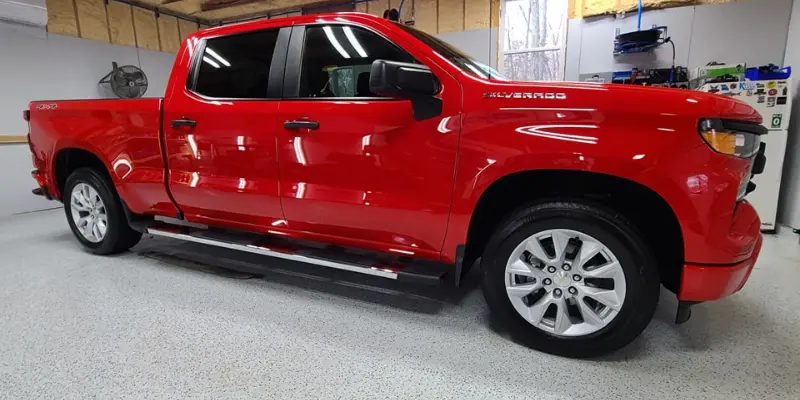
The Visual Difference Spring Correction Makes
After correction, you will notice:
- Sharper reflections
- Deeper color
- Increased gloss
- Smooth surface feel
- Easier washing
- More dramatic sunlight reflection
The transformation is most obvious under direct Missouri sunlight.
Missouri Winters Are Harsh, But They Do Not Have to Permanently Damage Your Paint
Winter damage is predictable. The good news is it is also correctable.
If your paint looks dull, hazy, or rough now that spring sunlight has returned, it is not just dirty. It is likely suffering from months of chemical and abrasive stress.
Kelly Kleen offers professional paint correction services designed specifically for Missouri road conditions, restoring clarity and protecting your vehicle before summer heat sets in.
Schedule a spring paint correction appointment with Kelly Kleen.