
Spring Is the Best Time to Ceramic Coat Your Car in Missouri (Here’s Why)

When people think about ceramic coatings, they usually think about shine.
What we think about is timing.
In Missouri, spring is the most practical time of year to apply a ceramic coating. Not because it sounds good in a promotion, but because the conditions are right and the vehicle is coming out of its most stressful season.
If you wait until mid-summer or late fall, you miss the window where coatings perform best from the start.
Here’s why spring makes sense.
Your Paint Just Came Through Winter
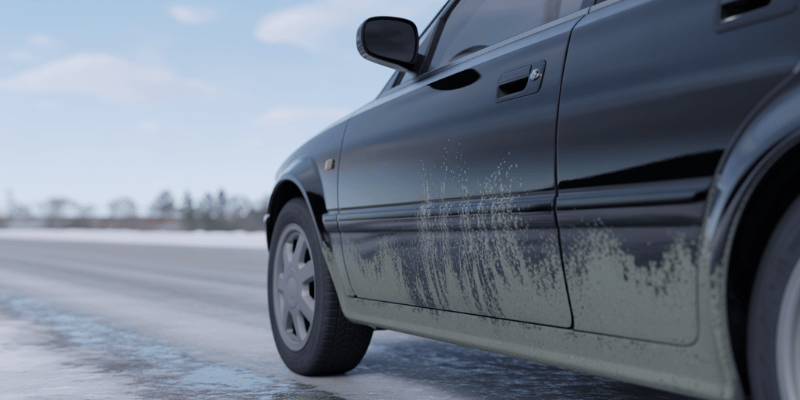
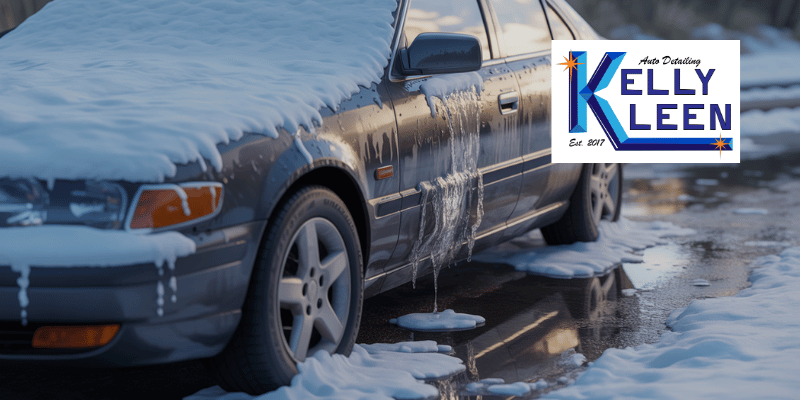
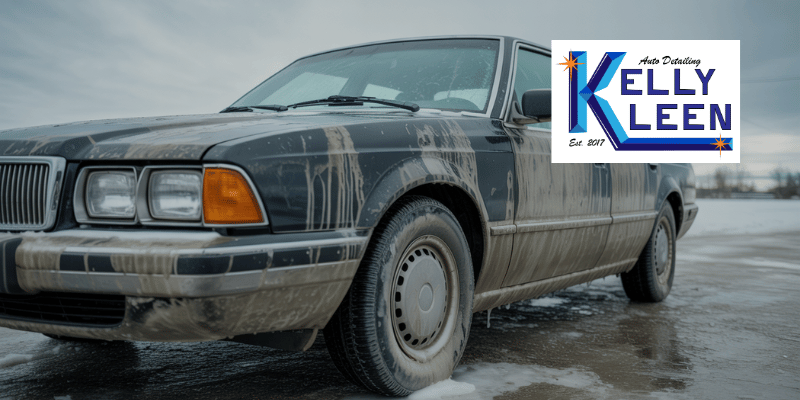
By the time spring arrives in Washington, Union, and Pacific, your vehicle has been exposed to:
- Road brine
- Salt residue
- Gravel and sand
- Freeze–thaw cycles
- Prolonged moisture
Even if you washed regularly, winter leaves behind contamination and light surface defects.
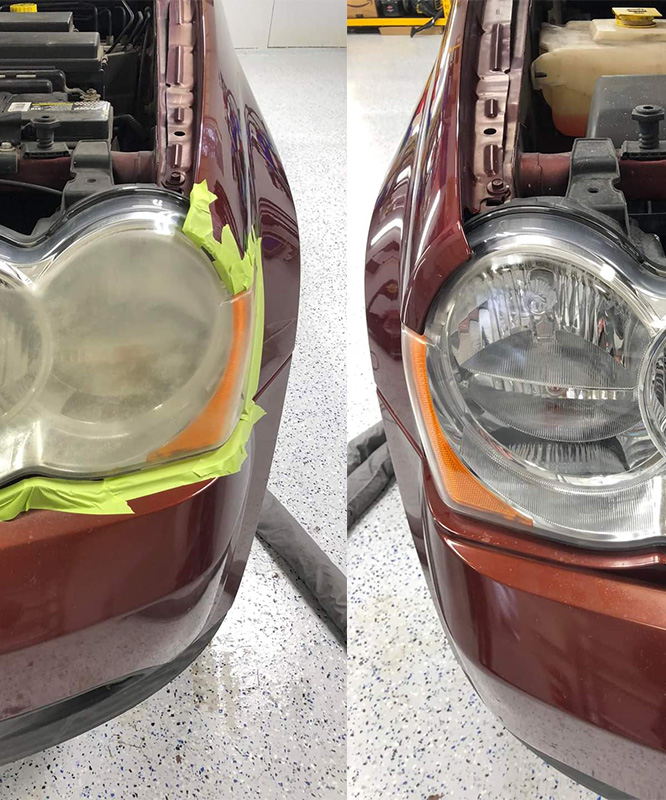
Before applying any long-term protection, we decontaminate the paint completely. That means removing bonded minerals, iron particles, and leftover residue. If needed, we correct swirl marks or haze so the surface is clean and level.
Spring is when we see the real condition of the clear coat. It’s the right time to reset it before locking in protection.
Temperature Stability Matters for Coating Installation
Ceramic coatings require proper curing conditions.
In early spring, Missouri typically provides:
- Moderate daytime temperatures
- Cooler but manageable evenings
- Lower humidity than mid-summer
- Fewer extreme temperature swings
Extreme heat makes coatings flash too quickly. Cold weather slows curing. High humidity interferes with bonding.
Spring offers a stable environment that allows coatings to level properly and cure as designed.
You Want Protection Before Summer UV Hits Hard
Missouri summers are not mild. Direct sun, high temperatures, and humidity all accelerate clear coat wear.
Without protection, summer exposure leads to:
- Oxidation
- Water spotting
- Pollen staining
- Faster gloss loss
Applying a coating in spring means your vehicle enters peak UV season already protected.
That timing matters.
Spring Contamination Makes Coatings More Valuable
Spring doesn’t just bring sunshine. It brings pollen and rain.
Pollen in Missouri is thick and sticky. When it lands on unprotected paint, it bonds quickly—especially if the surface is already slightly rough from winter.
A properly installed ceramic coating helps by:
- Reducing pollen adhesion
- Making rinsing more effective
- Preventing mineral buildup from rain
- Minimizing surface staining
It doesn’t make the vehicle immune, but it makes maintenance much easier.
Why Applying a Coating to a Dirty Surface Is a Mistake
We see this occasionally—someone tries to coat a vehicle without fully correcting winter damage.
If contamination or defects remain:
- The coating locks them in
- The finish won’t look as clear
- Durability suffers
- Bonding is compromised
Spring gives us the opportunity to correct the paint properly before applying protection. That order matters.
Easier Maintenance Through the Rest of the Year
Once coated, the vehicle becomes easier to maintain.
During spring and summer, you’ll notice:
- Water beads and sheets off
- Dirt rinses away more easily
- Bugs release with less effort
- Washing requires less friction
Less friction means fewer swirl marks. That’s especially important for darker vehicles.
Why Waiting Until Fall Is Less Ideal
You can coat a vehicle in fall, but the benefits are limited.
If you wait until late fall:
- Winter contamination hits immediately
- Curing conditions become less predictable
- You don’t get a full season of clean maintenance
Spring installation allows the coating to cure fully and perform before facing harsh winter chemicals again.
Ceramic Coating Is Not Just About Looks
Yes, coatings increase gloss. But the bigger advantage is long-term preservation.
A properly installed ceramic coating helps:
- Slow clear coat degradation
- Reduce chemical bonding
- Minimize micro-scratching
- Preserve resale value
- Make seasonal cleanup easier
It becomes part of your maintenance strategy, not just an appearance upgrade.
Which Vehicles Benefit Most From Spring Coating
Spring ceramic coating makes the most sense if you:
- Drive daily
- Park outside
- Use rural or gravel roads
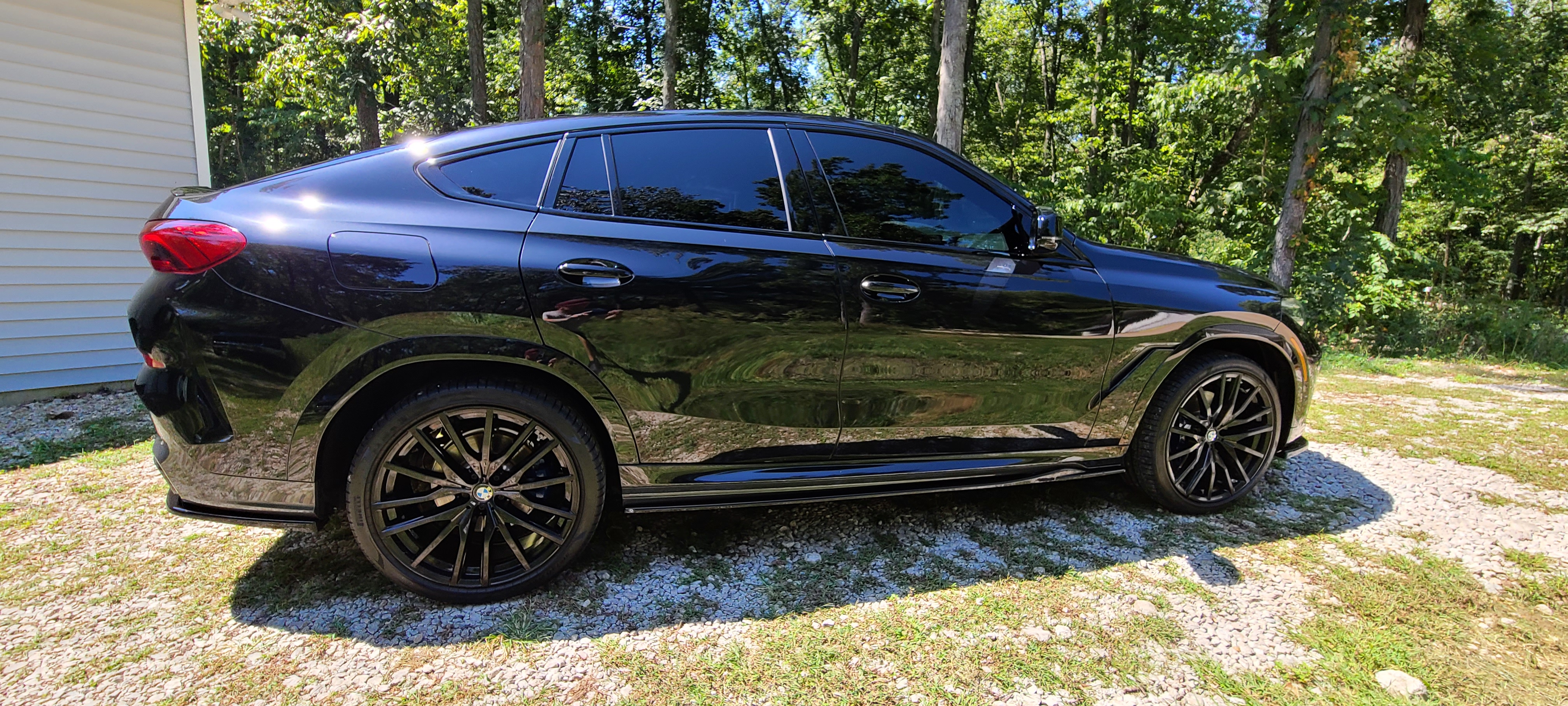
- Own a dark-colored vehicle
- Plan to keep the vehicle long-term
- Care about maintaining gloss
If you just corrected the paint, coating it protects that investment immediately.
The Sequence Matters
The right order in spring looks like this:
- Thorough wash
- Full decontamination
- Paint correction if needed
- Surface prep
- Ceramic coating application
- Controlled curing
Skipping steps reduces durability. Doing them in the right order maximizes performance.
Spring Is About Setting the Tone for the Year
Winter wears a vehicle down. Spring is when you decide whether to let that damage compound or reset and protect it.
If your paint is freshly corrected or showing signs of winter wear, spring is the most practical time to apply ceramic protection in Missouri.
Kelly Kleen installs ceramic coatings with proper preparation and controlled curing so the protection actually performs the way it should.
If you want your vehicle protected before summer heat and pollen peak, this is the window to do it.
Schedule your ceramic coating consultation with Kelly Kleen.