
From Salt to Pollen: Why Spring Is the Most Contaminated Season for Your Car

A lot of drivers assume winter is the harshest season for their vehicle. From a corrosion standpoint, that’s true. But when it comes to surface contamination, early spring in Missouri is often worse.
By the time we reach March and April in Washington, Union, and Pacific, your vehicle has months of leftover winter residue on it. Then pollen season starts. Add in spring rain, temperature swings, and rural dust, and you end up with layers of contamination stacking on top of each other.
Spring is not a clean slate. It’s a buildup season.
What Winter Leaves Behind
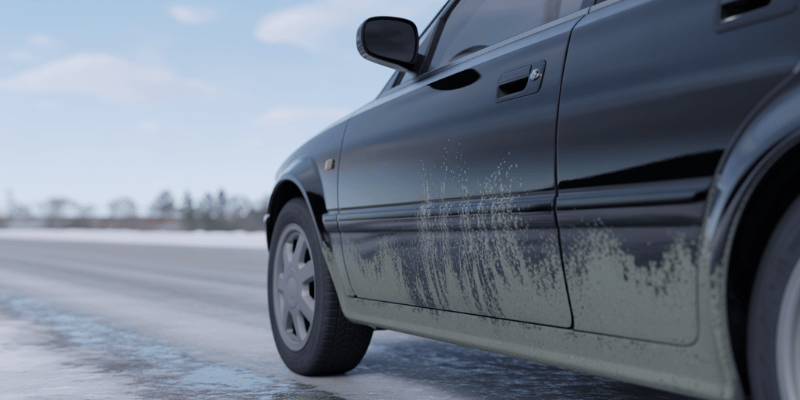
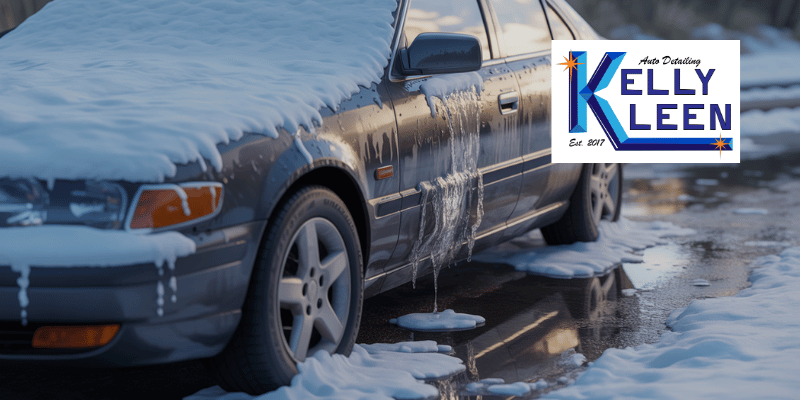
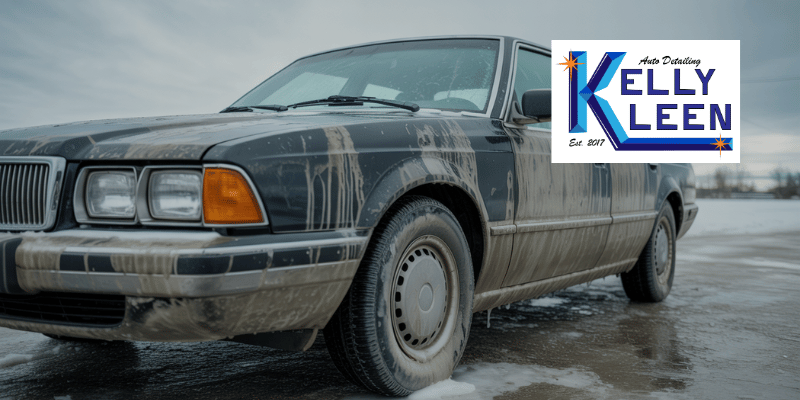
Even after temperatures rise, winter chemicals don’t disappear. Road brine dries into mineral residue. Salt collects in seams and behind trim. Fine gravel dust settles into lower panels.
You may wash the vehicle and think it’s clean, but what’s left behind includes:
- Dried mineral deposits
- Bonded road film
- Metal particles from winter roads
- Residue inside door seams and panel gaps
When spring rain hits those areas, moisture reactivates what’s left behind. That’s why vehicles often look streaked again just days after washing.
Why Pollen Makes Everything Worse
Missouri pollen is heavy and sticky. It doesn’t behave like regular dust.
When pollen lands on paint that already has leftover winter residue, it adheres quickly. If the surface is slightly rough from winter wear, pollen bonds even more easily.
Once it gets wet, pollen turns into a paste. When that paste dries in sunlight, it can stain lighter paint and leave visible marks on darker vehicles.
We see this every year. A customer washes their car, it looks fine, then a week later it feels gritty again. That texture is not dirt sitting on top. It’s bonded contamination.
Why Your Paint Feels Rough Right Now
If you run your hand lightly across your hood and it doesn’t feel smooth, you’re feeling contamination embedded in the clear coat.
Spring vehicles commonly have:
- Mineral deposits from brine
- Iron particles from winter roads
- Organic pollen buildup
- Road film that survived winter washing
Soap alone does not remove those materials. Once they bond to the surface, they require chemical decontamination and mechanical removal to come off safely.
Lower Panels Take the Most Abuse
The bottom half of your vehicle deals with the worst of it.
Rocker panels, lower doors, rear bumpers, and wheel arches collect winter spray for months. By spring, those areas are holding onto:
- Salt residue
- Sand and gravel dust
- Oil-based road film
- Pollen that sticks to rough surfaces
If you drive rural roads in Franklin County, the contamination level is even higher because gravel dust mixes with spring moisture and pollen.
Why Spring Is the Right Time for a Full Decontamination
This is the time of year when we recommend more than just a maintenance wash.
A proper spring reset includes:
- Thorough exterior wash
- Chemical treatment to break down mineral deposits
- Iron remover to dissolve embedded metal particles
- Clay bar treatment to remove bonded contamination
- Inspection under good lighting
Once the surface is actually clean at a microscopic level, the paint feels smooth again. Protection can bond properly. Washing becomes easier.
Skipping this step means contaminants stay embedded and continue wearing down your clear coat through summer.
What Happens If You Ignore Spring Buildup
If contamination stays on the vehicle:
- UV exposure bakes it into the paint
- Water spots become harder to remove
- Surface roughness increases
- Gloss decreases
- More aggressive polishing is required later
By mid-summer, people often say their vehicle just looks tired. In many cases, it’s simply months of buildup that never got removed properly.
Why Spring Is Also the Right Time to Rebuild Protection
Most waxes and sealants take a beating over winter. By spring, they’re largely compromised.
You’ll notice:
- Water no longer beads well
- Dirt sticks more easily
- The surface dries unevenly
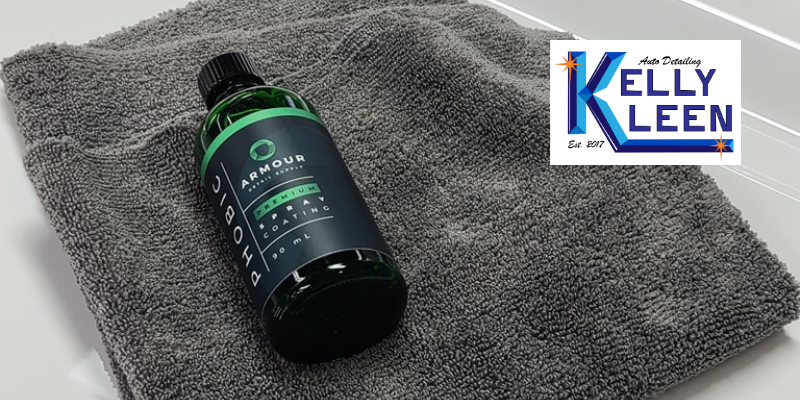
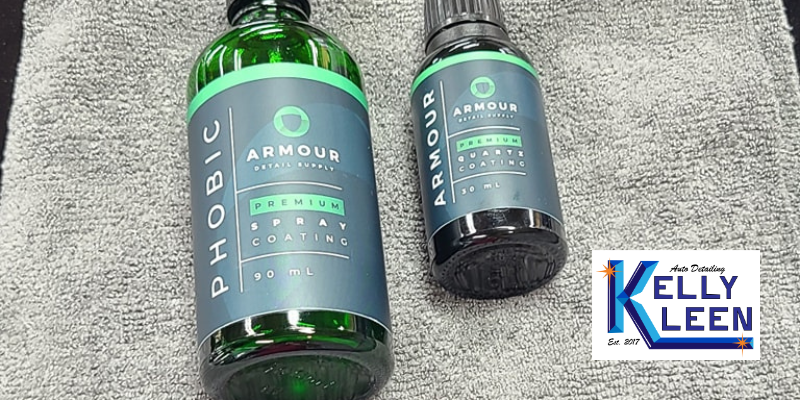
Once we remove contamination, it’s the right time to apply fresh protection. That might be a high-quality sealant or a ceramic coating, depending on the vehicle and how it’s used.
Applying protection without first removing bonded contaminants doesn’t work well. The surface needs to be clean and smooth first.
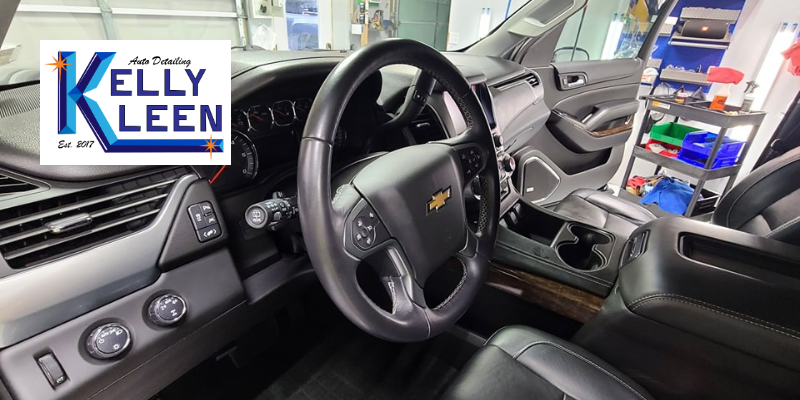
Interior Contamination Increases in Spring Too
Spring doesn’t just affect paint.
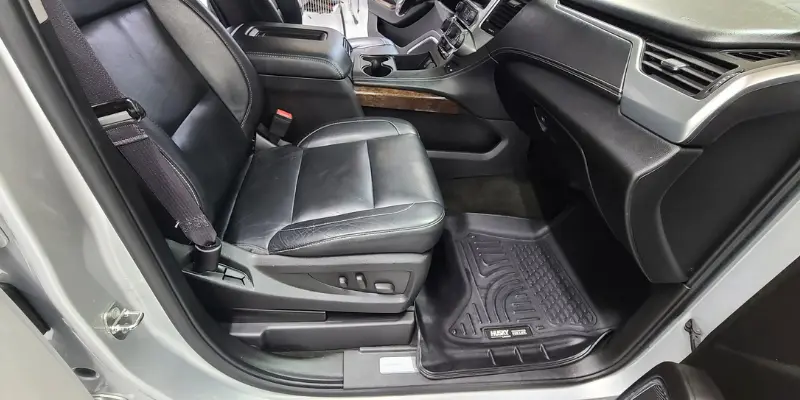
Inside the vehicle, winter moisture thaws. Wet boots, melted snow, and condensation leave behind damp padding and trapped debris. Then pollen starts entering through vents.
If your interior smells slightly off in early spring, that’s often the combination of:
- Residual moisture
- Rising temperatures
- Organic material warming up
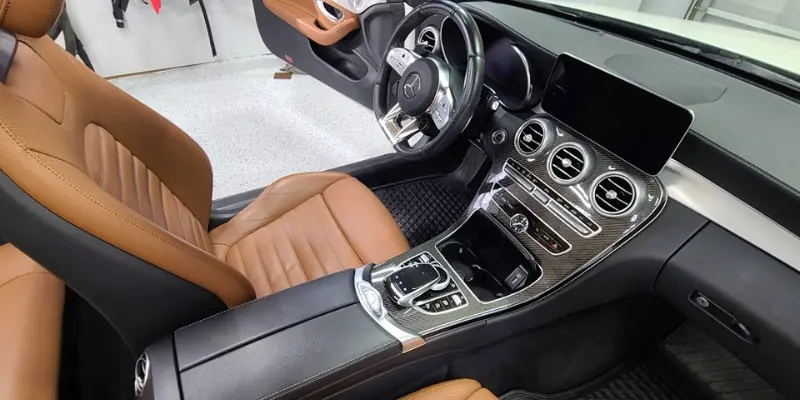
This is the time of year when interior extraction, vent cleaning, and cabin filter replacement make a noticeable difference.
Spring Is When We See the Real Condition of Your Vehicle
Once sunlight comes back and temperatures stabilize, it becomes easier to see what winter actually did.
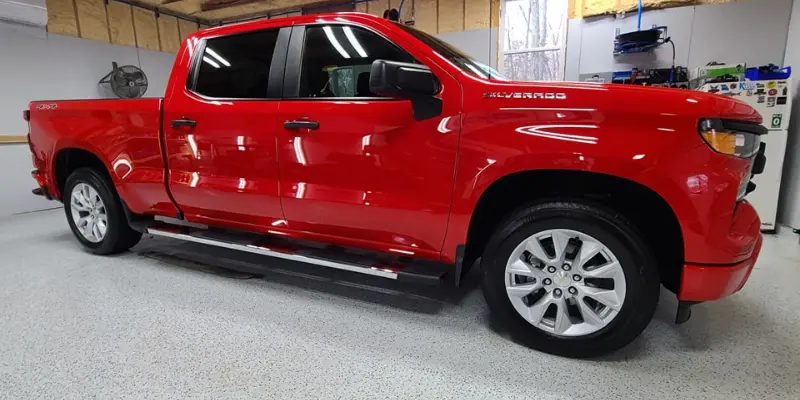
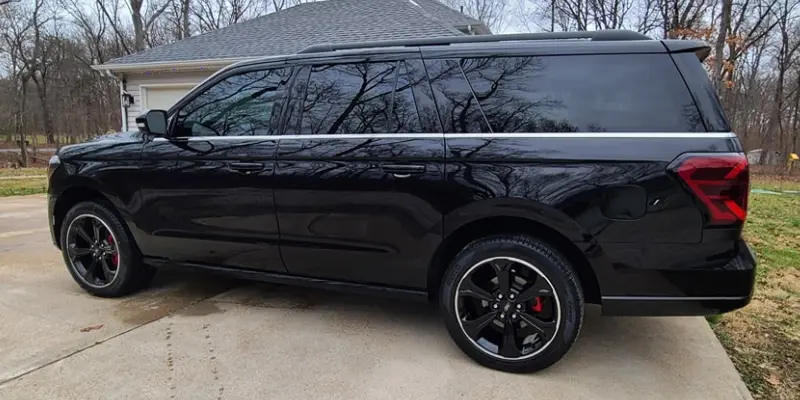
Some vehicles only need decontamination and protection. Others need light paint correction to restore clarity and remove swirl marks that built up during winter washing.
Either way, early spring is the right time to address it before summer heat adds another layer of stress.
If your vehicle feels rough, looks hazy in direct sunlight, or seems to get dirty again immediately after washing, it’s likely carrying months of layered contamination.
Kelly Kleen handles full spring decontamination, paint correction when needed, and protection tailored to Missouri driving conditions.
Schedule your spring detailing appointment with Kelly Kleen.