What Happens to Your Paint When You Skip Winter Washing in Missouri

Skipping car washes in winter feels logical to a lot of Missouri drivers. It’s cold, roads are messy again the next day, and there’s a common belief that washing in winter does more harm than good. Unfortunately, that belief leads to some of the most expensive and permanent paint damage Kelly Kleen sees every spring.
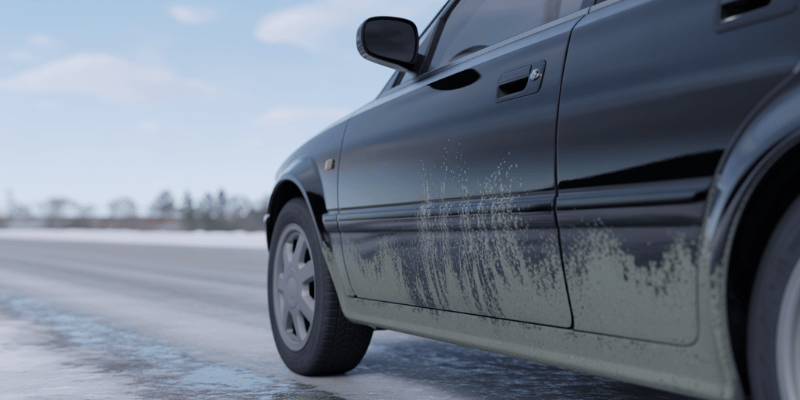
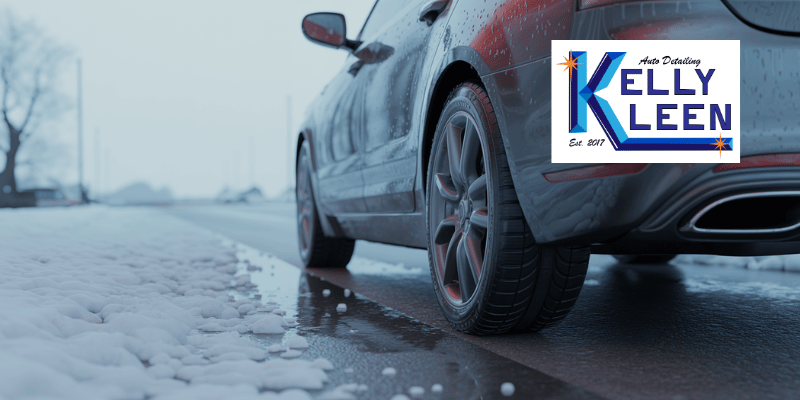
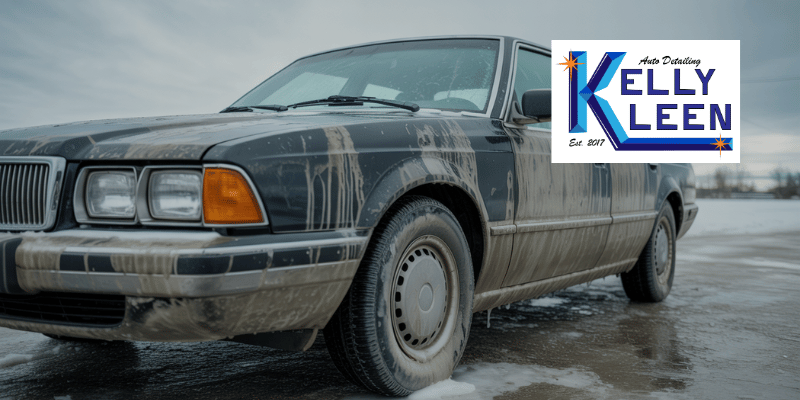
Missouri winters do not give your paint a break. Between road brine, salt, gravel dust, slush, and constant moisture, winter is when contamination builds up fastest. If that contamination is not removed regularly, it begins damaging your clear coat long before you ever notice a problem.
This article explains exactly what happens to your paint when winter washing is ignored, why the damage often shows up months later, and how Missouri drivers can protect their vehicles through the coldest part of the year.
Winter Contaminants Don’t Stop Attacking Your Paint
Winter roads in Missouri are coated with a chemical mix designed to keep drivers safe. Unfortunately, that same mix is brutal on vehicle finishes.
Your paint is exposed to:
- Liquid road brine
- Rock salt residue
- Gravel dust and sand
- Slush carrying chemicals upward
- Moisture that never fully dries
- Traffic spray from other vehicles
Unlike summer dirt, these contaminants stay active. Even when the surface looks dry, residue remains chemically aggressive.
Why Winter Contamination Is Worse Than Summer Dirt
Summer dirt is mostly dry and removable. Winter contamination is wet, sticky, and corrosive.
Winter residue:
- Clings to paint longer
- Creeps into seams and trim edges
- Breaks down wax and sealants faster
- Traps abrasive grit
- Reactivates with moisture
- Accelerates oxidation
When washing is skipped, these contaminants remain in constant contact with your clear coat.
The Chain Reaction That Starts When You Stop Washing
Skipping winter washes sets off a slow but damaging chain reaction.
Step 1: Protective Layers Fail
Wax and sealants are designed to be sacrificial. When brine sits on them for weeks, they break down quickly.
Step 2: Paint Becomes Exposed
Once protection is gone, brine and grit begin bonding directly to the clear coat.
Step 3: Surface Roughness Develops
Bonded contaminants create a rough texture that traps even more grime.
Step 4: Washing Becomes Harsher
When spring arrives, aggressive washing is required to remove buildup, increasing scratch risk.
Step 5: Permanent Damage Appears
Etching, staining, and dullness become visible long after the winter is over.
Why You Often Don’t See Damage Until Spring
One of the most frustrating aspects of winter paint damage is the delay.
During winter:
- Light is flat and dull
- Paint stays dirty
- Damage blends into grime
In spring:
- Sunlight reveals haze and scratches
- Roughness becomes obvious
- Gloss loss is noticeable
- Stains no longer wash away
By the time damage is visible, it usually requires paint correction to fix.
Gravel Dust Turns Winter Driving Into Abrasion
Missouri relies heavily on gravel and sand in winter, especially on rural and secondary roads.
That gravel:
- Becomes airborne behind traffic
- Blasts lower panels
- Embeds into wet paint
- Acts like sandpaper during washes
Without regular washing, this grit stays attached and increases wear every time moisture returns.
Lower Panels Suffer the Most When Washing Is Skipped
The bottom half of your vehicle takes the worst abuse in winter.
Common damage zones include:
- Rocker panels
- Lower doors
- Rear bumpers
- Wheel arches
- Front bumper corners
Skipping washes allows brine and grit to sit in these areas continuously, accelerating clear coat failure.
Why Winter Sun Can Still Damage Paint
Many drivers associate UV damage with summer only. Winter sun still contributes to paint breakdown.
When brine and moisture sit on paint:
- UV exposure increases chemical reactions
- Clear coat becomes more vulnerable
- Oxidation accelerates under residue
Winter washing removes the film that amplifies UV damage.
The Myth That Winter Washing Causes Rust
A persistent myth in Missouri is that washing in winter causes rust. The truth is the opposite.
Rust forms when:
- Salt and moisture remain on metal
- Contaminants are not removed
- Protective layers fail
Washing removes the chemicals that cause corrosion. Leaving them in place causes rust.
Why Automatic Washes Only Solve Half the Problem
Drive-through washes can help, but they often leave critical areas untouched.
Common shortcomings include:
- Weak undercarriage flushing
- Missed seams and crevices
- Reused dirty water
- Brushes dragging grit across paint
They are better than nothing, but not a complete solution.
How Professional Winter Washing Protects Paint
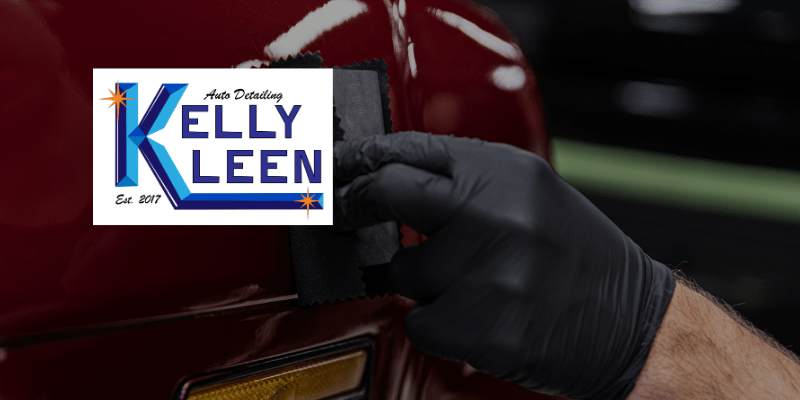
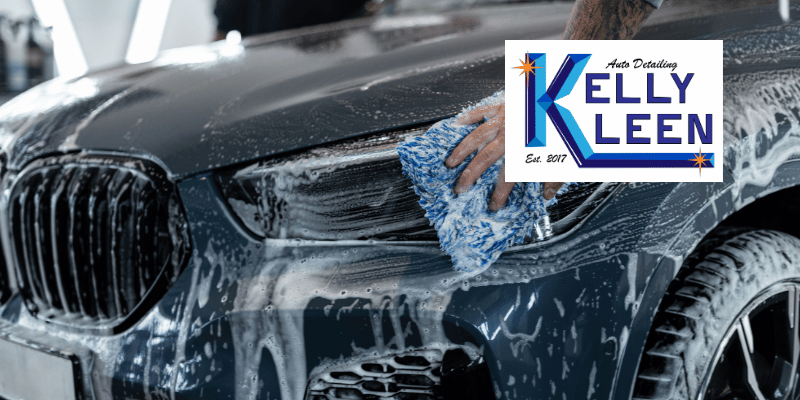
Professional winter washing focuses on removal, not just appearance.
Kelly Kleen winter services emphasize:
- Gentle contact washing
- Thorough rinsing
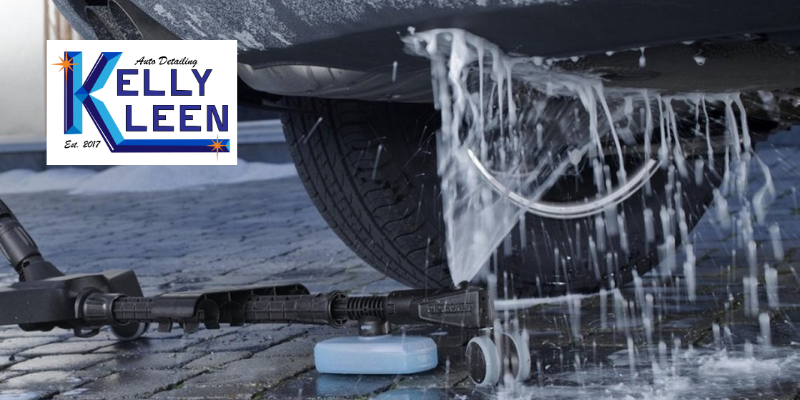
- Undercarriage cleaning
- Wheel well flushing
- Safe drying methods
- Inspection of protective layers
This approach removes active chemicals without introducing scratches.
How Often Missouri Drivers Should Wash in Winter
While conditions vary, most Missouri vehicles benefit from:
- Washing every two to three weeks in winter
- Additional washes after heavy storms
- Extra attention after long highway drives
Regular removal prevents buildup from becoming permanent.
Why Skipping Winter Washing Increases Spring Detailing Costs
Spring detailing often requires more labor because winter damage was allowed to accumulate.
Skipping winter washes leads to:
- More aggressive decontamination
- Increased claying
- Paint correction requirements
- Higher costs
- More time in the shop
Preventative care reduces both cost and damage.
Winter Washing Is About Protection, Not Perfection
Your car does not need to look perfect in winter. It needs to be protected.
Removing brine, salt, and grit regularly prevents long-term paint failure and preserves your vehicle’s finish.
If winter washing has been inconsistent or skipped altogether, Kelly Kleen can help restore and protect your paint before damage becomes permanent.
Schedule a winter wash or paint protection service with Kelly Kleen.