Pets in the Car: A Complete Guide to Removing Hair, Drool, and Smell in Missouri Vehicles

Pets make road trips, errands, and weekend drives more enjoyable, but they also leave behind hair, drool, dander, and odors that quickly take over your vehicle. Missouri’s humidity, gravel roads, and seasonal pollen make pet-related messes even harder to manage. Whether you’re driving through Washington, Union, or Pacific with dogs in the backseat or transporting pets to and from rural properties, the combination of moisture, dust, and organic residue can overwhelm carpets, vents, and upholstery fast.
This guide explains how pet messes affect your interior, why Missouri conditions amplify the problem, and how to keep your vehicle fresh with smart habits and professional detailing.
Why Pet Messes Are Worse in Missouri’s Climate
Missouri is a beautiful place to raise pets, but the same climate that keeps the landscape lush also makes pet odors and hair buildup more persistent.
Three environmental factors create major challenges:
- High humidity
Moisture from drool, wet fur, and spilled water is retained longer, increasing odor. - Dust and pollen
Rural roads and farmland produce airborne debris that clings to fur, then transfers into your cabin. - Seasonal temperature swings
Hot summers amplify pet smells, while cold winters trap moisture inside closed cabins.
These conditions make pet hair, dander, and odors harder to remove without proper cleaning techniques.
The Real Problems Pet Messes Cause in Your Interior
Pet messes lead to more than surface-level dirt. They impact air quality, upholstery longevity, and resale value.
Hair
Gets embedded into:
- Carpet fibers
- Seat seams
- Cargo liners
- HVAC vents
Drool
Contains enzymes and bacteria that leave behind:
- Sticky films
- Odors
- Stains
- Mineral spots on plastics
Dander
Triggers allergies and clogs cabin filters faster than normal.
Wet dog smell
Occurs when moisture reacts with bacteria in fur, especially in humid conditions.
Muddy paws
Carry grit that scratches plastics, embeds in carpets, and wears down protective coatings.
Why Household Cleaning Doesn’t Fully Remove Pet Hair or Odor
DIY cleaning helps a little, but pet messes require deeper extraction and specialized treatments.
DIY methods struggle because:
- Home vacuums lack suction for embedded hair
- Dander and dust fall deeper into fabrics
- Odors hide in padding and vents
- Enzymes in drool need neutralizing, not masking
- Humidity keeps smells active
- Air fresheners mix with odors instead of removing them
Without professional extraction, hair and odors always return.
How Kelly Kleen Removes Pet Hair, Odor, and Residue at the Source
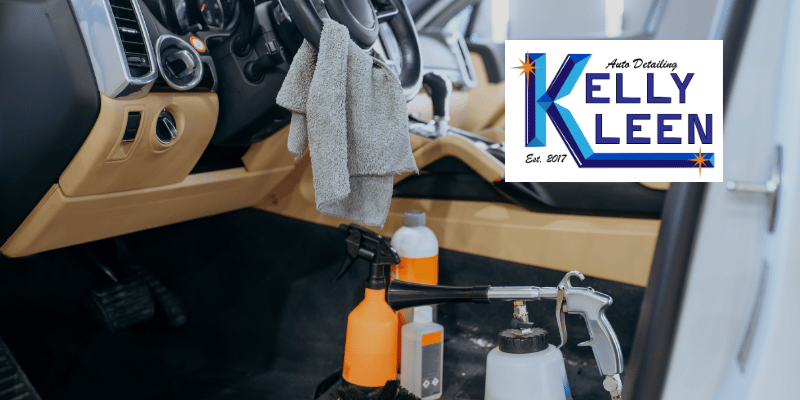
Kelly Kleen uses interior detailing methods designed to remove the toughest pet contamination. Their system targets each layer of your vehicle’s interior—not just the surfaces.
High-Powered Vacuuming
Commercial-grade suction pulls hair from:
- Seat seams
- Carpet padding
- Trunk liners
- Door panels
- Tight cracks and crevices
This step removes far more hair than standard vacuuming.
Pet Hair Removal Tools
Tools like rubber brushes and compressed-air techniques lift embedded hair without damaging fabrics.
Enzyme Treatment
Enzymes break down:
- Drool proteins
- Bacteria
- Organic residues
- Urine or vomit if present
This eliminates the source of odors.
Ozone or Deep Odor Treatment
When odors persist, ozone neutralizes airborne and embedded odor particles.
Steam Sanitizing
Steam lifts contamination from:
- Carpets
- Upholstery
- Hard plastics
- Cupholders
- Panel seams
Steam also kills bacteria responsible for wet dog smell.
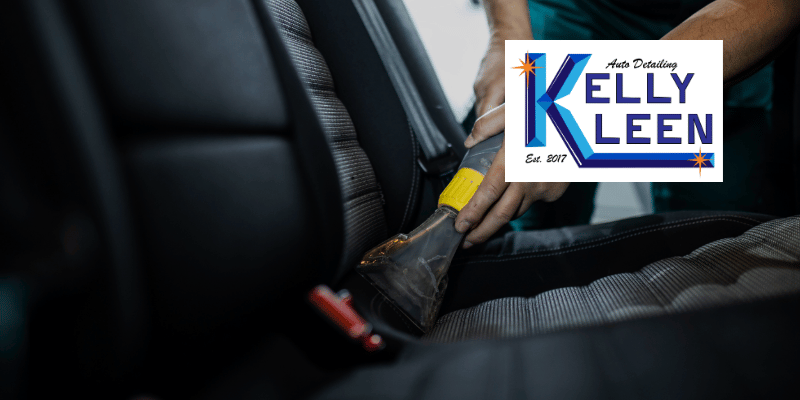
Hot-Water Extraction
Extractors reach deep into carpet and seat padding, pulling out:
- Dander
- Liquids
- Dirt
- Odor-causing bacteria
Most household vacuums cannot reach this deep.
Missouri Drivers Face Extra Pet Challenges
Rural Missouri living increases the amount of contamination that pets bring into vehicles.
Dogs track in:
- Clay dust
- Gravel residue
- Pollen
- Mud from creeks and trails
- Grit from farm roads
These materials embed much deeper into your interior than simple household dirt.
Inside the cabin, heat and humidity create the perfect environment for bacteria to multiply, especially under seats or mats where moisture gets trapped.
How to Prevent Pet Messes Between Details
These habits keep your vehicle fresher and make professional detailing more effective.
Use Seat Covers or Cargo Liners
Quality covers catch hair, dirt, and moisture before they reach the upholstery.
Brush Your Dog Before Riding
Removing loose hair beforehand makes a big difference.
Keep Towels in the Vehicle
Use them for wet paws or after river or lake trips.
Vacuum Weekly
Prevents hair from embedding in carpet fibers.
Wipe Door Seals
Dust and hair collect in seals and fall into the cabin when doors open.
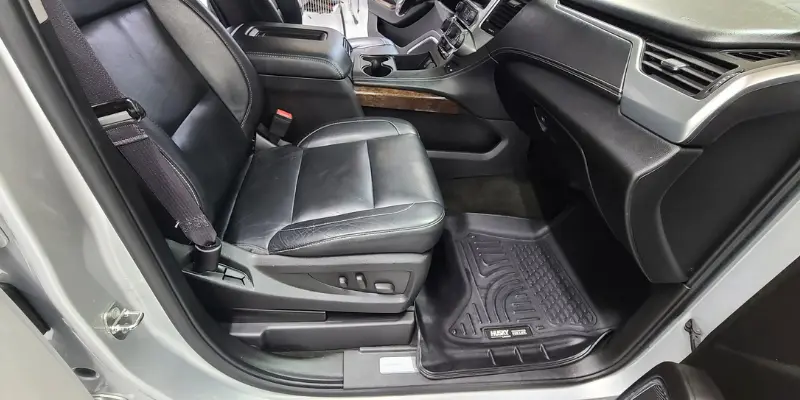
Use Proper Mats
All-weather mats protect carpet and make cleanup easy.
Control Moisture
Dry your dog before entering the vehicle, especially during humid months.
Why You Should Never Rely on Air Fresheners for Pet Odor
Air fresheners do not eliminate pet odor—they simply cover it temporarily. In Missouri humidity, this can actually worsen the smell.
Reasons to avoid masking agents:
- They trap moisture
- They combine with pet odor into a sour smell
- They hide the real issue (bacteria in fabrics)
- They make cleaning harder later
Only enzyme and ozone treatments remove pet odors completely.
When It’s Time for Professional Interior Detailing
Most pet owners eventually reach a point where DIY cleanup isn’t enough.
You should schedule a detail if:
- Hair keeps returning
- The cabin smells like wet dog
- Drool stains appear on seats or trim
- Carpets feel sticky or dirty
- Dust accumulates faster than usual
- The A/C releases an odor when turned on
- Moisture remains under mats
- Your dog rides frequently on gravel or farm roads
Professional cleaning resets your interior and restores freshness.
How Often Missouri Pet Owners Should Detail Their Vehicles
Based on typical pet use and Missouri conditions, Kelly Kleen recommends:
- Interior detailing every 3–4 months
- More frequent cleaning in summer when humidity spikes
- Additional enzyme treatments after major messes
- Vent cleaning twice a year for pet-heavy households
These intervals keep air quality healthy and prevent long-term odor or bacteria buildup.
Pet Messes and Vehicle Resale Value
Dealers and private buyers often avoid vehicles with:
- Pet hair visible
- Smells in seats or vents
- Stains under mats
- Scratched plastic trim
- Evidence of moisture or drool
A clean, odor-free interior preserves resale value and prevents difficult-to-remove contamination.
A Clean Cabin Makes Every Ride Better—for Pets and People
With Missouri’s humidity, dust, and gravel roads, it doesn’t take long for pet messes to take over your vehicle. But with the right habits and professional detailing at the correct intervals, you can keep your car looking, smelling, and feeling fresh no matter how often your furry friend rides along.
If your interior needs a reset or deep cleaning, Kelly Kleen’s interior detailing packages are designed specifically for pet owners in Missouri.