Missouri Freeze–Thaw Cycles: How They Accelerate Paint Failure and Interior Wear

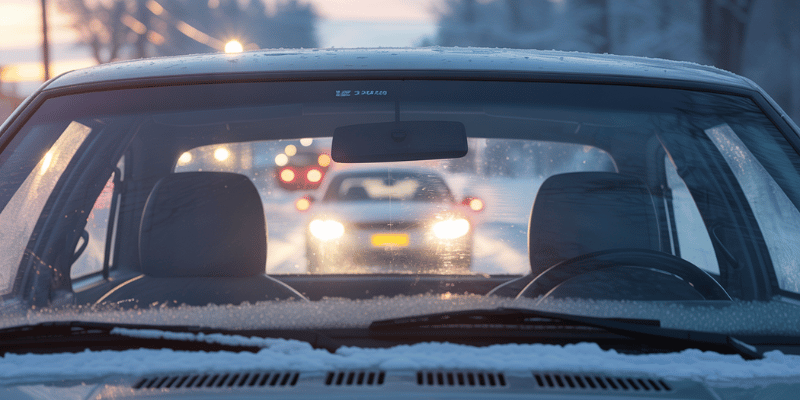
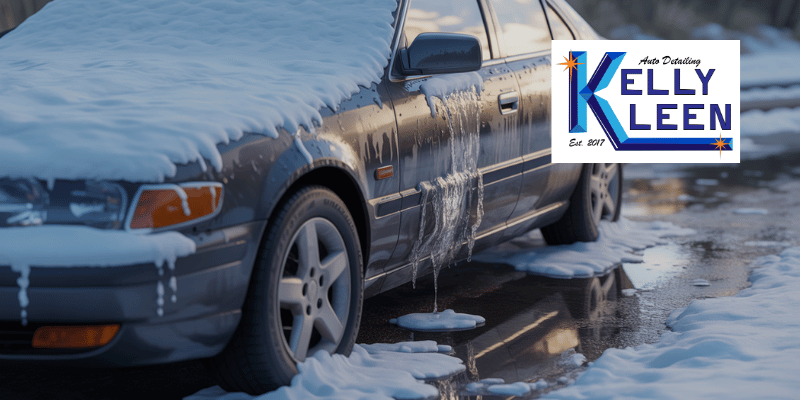
Missouri winters are not just cold. They are unpredictable. One day temperatures dip below freezing, the next day they climb above it. This constant freeze–thaw cycle is one of the most damaging environmental patterns your vehicle faces all year, and it affects far more than just your paint.
Drivers in Washington, Union, and Pacific often notice their vehicles aging faster than expected. Paint dulls, seals harden, interiors develop musty smells, and wear appears even on well-maintained cars. Much of that damage can be traced back to repeated freezing and thawing during Missouri winters.
This article explains how freeze–thaw cycles damage both the exterior and interior of your vehicle, why the effects compound over time, and how professional detailing helps slow the damage before it becomes permanent.
What a Freeze–Thaw Cycle Really Does to Your Vehicle
A freeze–thaw cycle occurs when moisture freezes, expands, then melts repeatedly.
In Missouri winters, this happens:
- Overnight freezes followed by daytime warming
- During sunny winter days
- After snowstorms and road treatments
- Inside garages that warm during the day
- Inside sealed vehicle components
Each cycle puts stress on paint, trim, seals, and interior materials.
How Freeze–Thaw Damages Automotive Paint
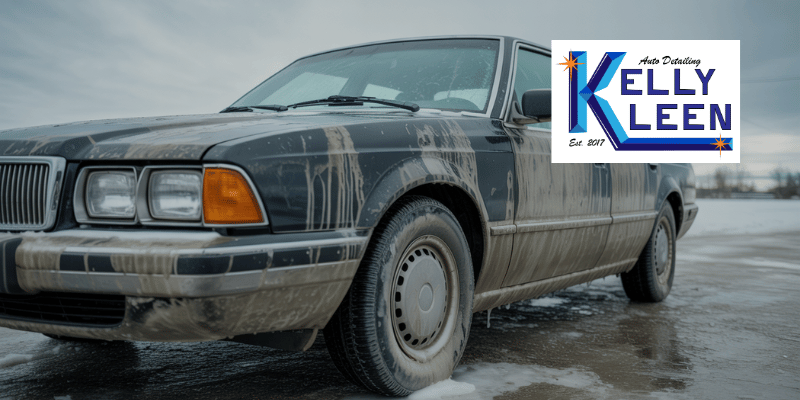
Paint damage from freeze–thaw cycles is subtle at first but accelerates quickly.
When moisture sits on your paint:
- It freezes and expands
- Expanding moisture pushes into microscopic imperfections
- Thawing allows contaminants to settle deeper
- Repeated cycles widen clear coat weaknesses
Over time, this leads to:
- Etching
- Clear coat breakdown
- Loss of gloss
- Increased surface roughness
Road brine makes the problem worse by keeping moisture active even at low temperatures.
Why Road Brine Amplifies Freeze–Thaw Damage
Missouri relies heavily on liquid road brine. Unlike dry salt, brine stays wet longer.
Brine:
- Prevents surfaces from fully drying
- Reactivates with temperature changes
- Creeps into seams and edges
- Lowers freezing points, increasing freeze–thaw frequency
This creates more expansion and contraction than paint is designed to handle.
Clear Coat Becomes More Fragile in Winter
Clear coat is flexible, but not immune to stress.
During freeze–thaw cycles:
- Clear coat contracts in cold
- Expands during warming
- Weakens at stress points
- Loses elasticity over time
Once elasticity is compromised, paint becomes more vulnerable to scratching and chemical damage.
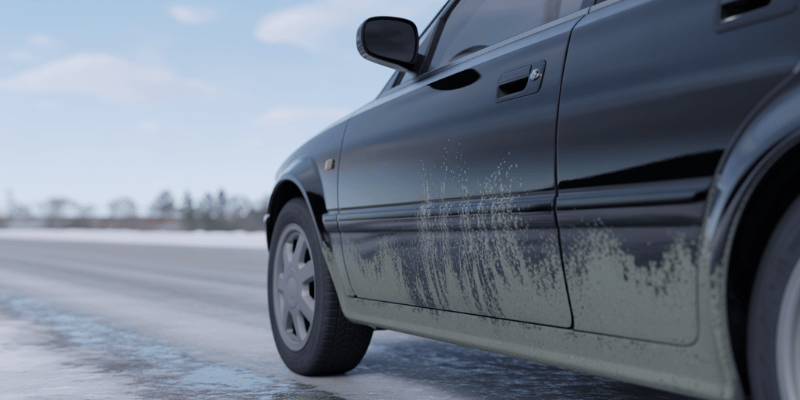
Why Lower Panels Suffer the Most
Lower panels experience the harshest freeze–thaw conditions.
These areas:
- Stay wet longer
- Are constantly sprayed with slush
- Trap brine behind trim
- Collect gravel and grit
Repeated freezing and thawing in these zones accelerates clear coat failure faster than on upper panels.
How Freeze–Thaw Cycles Affect Door Seals and Trim
Rubber and plastic components are heavily impacted by temperature swings.
Freeze–thaw damage causes:
- Seal hardening
- Loss of flexibility
- Cracking and shrinking
- Poor sealing against moisture
Once seals fail, water enters the cabin more easily, feeding interior moisture problems.
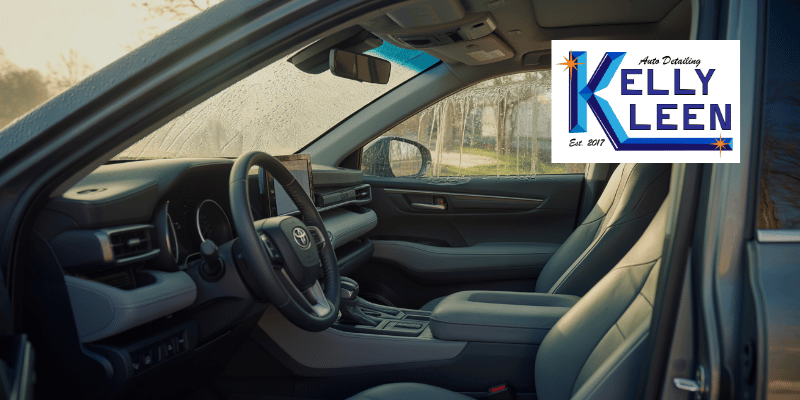
Interior Moisture Becomes a Serious Issue in Winter
Moisture inside your vehicle is not static. It freezes and thaws just like exterior water.
Sources include:
- Wet shoes and clothing
- Snow melting off floor mats
- Condensation from temperature changes
- Leaking door or window seals
Each freeze–thaw cycle drives moisture deeper into carpets and padding.
How Freeze–Thaw Leads to Interior Odors
Interior odors often begin during winter.
As moisture freezes:
- It expands inside foam and carpet
- Breaks down fibers
- Traps bacteria
When it thaws:
- Bacteria become active
- Odors develop
- Mildew begins forming
These smells often linger long after winter ends.
Why Mold and Mildew Thrive After Winter
Mold rarely starts during freezing temperatures. It thrives when thawing begins.
Spring brings:
- Warmer temperatures
- High humidity
- Moisture already trapped inside materials
Without intervention, mold growth accelerates quickly once conditions improve.
Freeze–Thaw Accelerates Wear on Interior Surfaces
Temperature swings affect interior materials too.
Common damage includes:
- Vinyl cracking
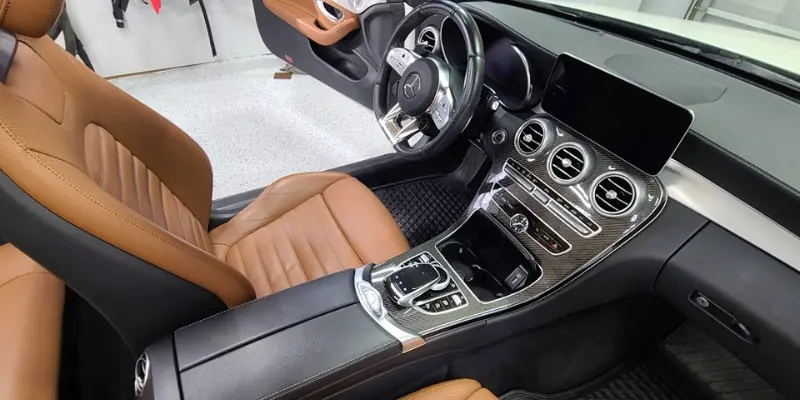
- Leather drying and stiffening
- Adhesives weakening
- Plastic trim loosening
Interior conditioning helps slow this breakdown but is often skipped in winter.
Why Garage-Kept Cars Are Still at Risk
Garage storage does not eliminate freeze–thaw damage.
Many garages:
- Warm during the day
- Cool overnight
- Trap moisture inside vehicles
- Increase condensation cycles
Vehicles still experience repeated expansion and contraction even indoors.
How Professional Detailing Helps Interrupt the Cycle
Professional detailing focuses on moisture control and protection.
Kelly Kleen’s approach includes:
- Thorough washing to remove brine
- Drying seams and crevices
- Cleaning and conditioning seals
- Interior extraction to remove trapped moisture
- Odor and bacteria treatment
- Protective paint layers to reduce moisture bonding
This reduces how much water is available to freeze and thaw repeatedly.
Why Winter Maintenance Prevents Spring Repairs
Most spring paint and odor issues begin months earlier.
Skipping winter care leads to:
- Heavier decontamination needs
- More aggressive polishing
- Interior odor remediation
- Higher repair costs
Preventative detailing slows damage and preserves materials.
Missouri Winters Are Hard on Vehicles by Design
Freeze–thaw cycles are unavoidable in Missouri. What matters is how much moisture and contamination you allow to remain on and inside your vehicle.
Regular winter maintenance reduces stress on paint, seals, and interior materials, helping your vehicle survive winter without lasting damage.
If your car has endured multiple Missouri winters without proper care, Kelly Kleen can help remove built-up contamination, address moisture issues, and protect your vehicle before freeze–thaw damage becomes permanent.