The Truth About “Lifetime” Ceramic Coating Claims in Missouri’s Climate

Ceramic coatings have exploded in popularity across Missouri, especially among drivers in Washington, Union, and Pacific who want long-lasting protection against gravel dust, pollen, road salt, and harsh UV rays. But with that popularity has come a wave of marketing claims that promise something no coating can deliver: lifetime protection.
The idea of a coating that lasts forever sounds appealing, but the truth is that coatings require careful preparation, proper installation, and ongoing maintenance to perform well. Missouri’s climate adds even more complexity, with humidity, freeze–thaw cycles, road contaminants, and seasonal grime all working against long-term durability.
This guide breaks down what ceramic coatings really do, why “lifetime” promises are misleading, and how Kelly Kleen installs coatings the right way—focusing on years of reliable protection rather than unrealistic guarantees.
Why “Lifetime” Coatings Don’t Exist
Ceramic coatings are advanced, durable, and long-lasting, but they are not permanent. No matter what a brand promises, coatings eventually wear down because of:
- UV exposure
- Gravel dust abrasion
- Seasonal temperature changes
- Acidic contaminants (bugs, droppings, sap)
- Car washes
- Everyday driving
- Road salt and brine in winter
Even the best coatings require:
- Correct prep
- Proper curing
- Routine maintenance
- Occasional inspections
- Reapplication every few years
Any claim of a coating lasting forever ignores the realities of chemistry, climate, and paint behavior.
Why “Lifetime” Coating Claims Are So Misleading
Many “lifetime” warranties rely on restrictive fine print. These warranties typically require:
- Regular paid maintenance
- Frequent inspections
- Approved wash methods
- Warranty transfers
- Professional-only reapplication
- Strict cleaning schedules
If any of these steps are missed, the “lifetime” warranty becomes void. This makes the claim meaningless for most real-world drivers.
What Ceramic Coatings Actually Do
Ceramic coatings offer outstanding protection when installed correctly. They bond to the clear coat and create a hardened barrier that resists common damage.
Coatings provide:
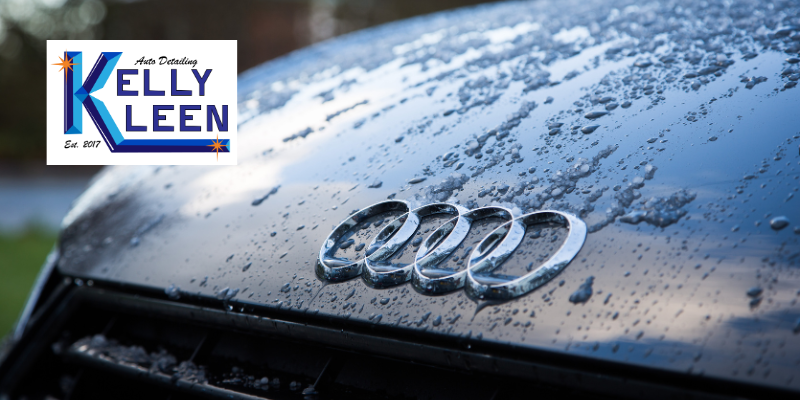
- Strong hydrophobic water behavior
- Protection from UV rays
- Easier bug removal
- Better resistance to chemical etching
- Enhanced gloss and shine
- Slower oxidation
- Reduced staining
- Longer-lasting paint clarity
But coatings are not:
- Scratch-proof
- Chip-proof
- Maintenance-free
- Permanent
They reduce damage—not eliminate it.
How Missouri Weather Affects Ceramic Coating Longevity
Missouri’s climate works against every ceramic coating, no matter the brand.
Harsh UV Exposure
Summer sun bakes coatings and causes gradual breakdown.
Gravel Road Dust
Constant abrasion weakens hydrophobic layers and speeds up wear.
Pollen and Plant Debris
Sticky pollen film clings to coatings and requires frequent washing.
Road Salt and Brine
Winter chemicals cling to surfaces and wear down protective layers.
Temperature Swings
Freeze–thaw cycles expand and contract paint and coatings.
High Humidity
Moisture slows cure times and affects early durability if not monitored properly.
Even with these challenges, properly installed coatings still last years—but never a lifetime.
Kelly Kleen’s Ceramic Coating Installation Process
Unlike shops that apply a coating quickly and send customers on their way, Kelly Kleen follows a preparation-heavy process that ensures maximum bonding and durability.
Step 1: Thorough Wash
Removes surface grime, dust, and contaminants.
Step 2: Iron Remover
Dissolves metal particles embedded in the clear coat.
Step 3: Clay Bar Treatment
Eliminates bonded contaminants so the coating can bond directly to the paint.
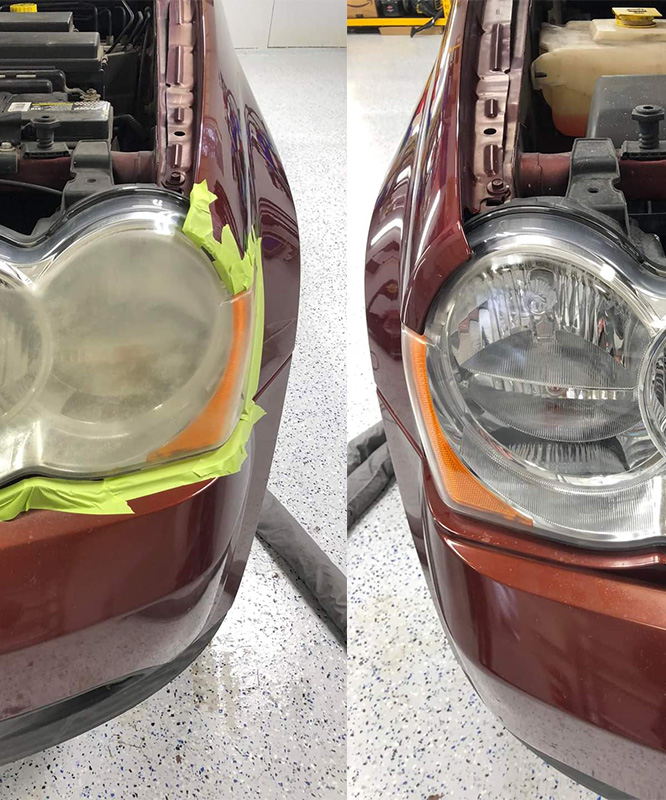
Step 4: Paint Correction
Coatings lock in the condition of the paint. Polishing improves:
- Clarity
- Gloss
- Smoothness
- Reflection quality
This step dramatically enhances the final result.
Step 5: Panel Prep
Strips oils so the ceramic coating adheres cleanly.
Step 6: Controlled-Area Application
Coatings must be applied in:
- Low dust environments
- Stable temperatures
- Proper humidity ranges
This ensures even bonding and a defect-free finish.
Step 7: Curing
The coating must cure fully before exposure to rain. Missouri humidity prolongs cure times, so controlled conditions are essential.
Why Proper Prep Matters More Than Brand Claims
Coatings marketed as “lifetime” often rely on selling the product itself, not the prep work behind it. But durability comes from the prep—not the label.
Poor prep leads to:
- High-spotting
- Premature failure
- Patchy hydrophobics
- Uneven gloss
- Water spotting
- Staining
- Early degradation
Kelly Kleen ensures the coating bonds to clean, corrected paint, which is why their coatings perform far better than budget installs.
The Realistic Lifespan of a Quality Ceramic Coating
A professionally installed ceramic coating typically lasts:
- 2–3 years for entry-level coatings
- 4–5 years for high-grade coatings with good maintenance
These ranges depend heavily on:
- Driving conditions
- Wash routines
- Weather exposure
- Surface contamination
- Maintenance toppers
Missouri’s roads shorten coating life compared to milder climates, but proper care maintains performance for years.
Why Ceramic Coatings Still Need Maintenance
Even after installation, coatings require upkeep to maintain hydrophobic behavior and gloss.
Maintenance includes:
- pH-neutral washes
- Two-bucket hand washing
- Regular removal of bug remains
- Avoiding high-pH cleaners
- Yearly inspections
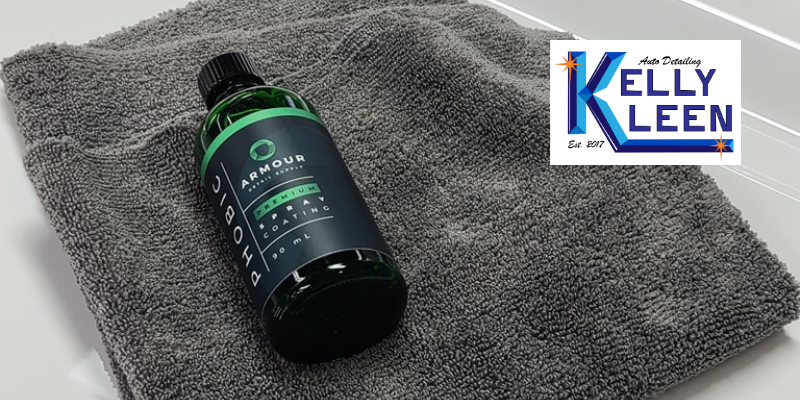
- Occasional topper application
These steps extend the coating’s lifespan and performance.
Why Ceramic Coatings Are Still Worth It (Even Without Lifetime Claims)
Even though coatings don’t last forever, their benefits are tremendous for Missouri drivers.
Ceramic coatings:
- Reduce long-term paint damage
- Help prevent etching
- Make washing dramatically easier
- Keep paint glossier longer
- Resist gravel dust better than wax
- Offer superior UV protection
- Slow oxidation in summer heat
- Improve resale value
Their convenience and long-term savings make them a smart investment—without needing unrealistic promises.
When You Should Consider Reapplying a Coating
You may need a fresh application if:
- Water stops beading properly
- Gloss appears dull
- Bug remains stick harder than before
- The coating feels “grabby”
- Tar doesn’t remove as easily
- You notice roughness after washing
- You’ve gone through multiple harsh winters
A quick inspection tells whether a topper, polish, or re-coating is needed.
The Bottom Line: Choose Skill Over Hype
Ceramic coatings are one of the best long-term paint protection options available, but only when installed with proper preparation and realistic expectations. Missouri’s climate demands smart maintenance routines and coatings that are applied by detailers who understand local challenges—not companies selling impossible “lifetime” promises.
If you want paint protection designed for your driving conditions, Kelly Kleen installs high-quality coatings built to handle Missouri’s gravel roads, humidity, UV exposure, and seasonal extremes.