How to Safely Wash Your Car in the Winter Without Damaging the Paint

Missouri winters can be brutal on your vehicle. Between the salt, slush, and freezing temperatures, your car’s exterior is constantly under attack. Washing your car in cold weather may feel counterintuitive, but it’s one of the most important steps to protect your paint, undercarriage, and clear coat. The trick is knowing how to do it safely and effectively—without causing more harm than good.
Whether you're navigating snowy roads in Washington, slushy streets in Pacific, or gravel routes around Union, this guide will help you avoid costly mistakes while keeping your car clean and protected all winter long.
Why Washing Your Car in Winter Is Critical
Many Missouri drivers delay washing their cars during winter, assuming it can wait until spring. But letting salt, grime, and debris sit on your paint for weeks at a time accelerates rust and paint failure.
Road Salt Eats Through Metal
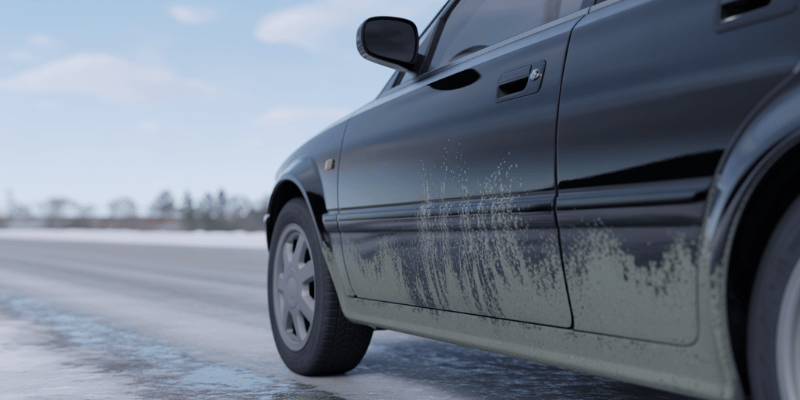
Missouri Department of Transportation (MoDOT) applies tons of salt to keep roads safe during snow and ice. Unfortunately, salt is highly corrosive. When left on your car’s undercarriage or body, it can cause rust to form within days, especially around wheel wells and exposed seams.
Sand and Grit Scratch Your Paint
In addition to salt, road crews often use sand or fine gravel for added traction. These gritty particles cling to your car’s lower panels and can scratch or chip the paint if not removed properly.
Ice and Snow Trap Debris
Snow and ice buildup can trap leaves, sticks, and gravel against your car’s surface, wearing down the protective finish as you drive. When temperatures fluctuate between freezing and thawing, it only makes matters worse.
The Risk of Improper Winter Washing
Washing your car in freezing weather requires careful planning. Done incorrectly, you can actually cause more damage than you prevent.
Freezing Water Can Crack Seals and Lenses
Washing your car during subzero temperatures without drying it thoroughly can lead to frozen door seals, cracked light covers, and even damaged window regulators. Water can seep into vulnerable areas and expand as it freezes, stressing seals and plastic housings.
Swirl Marks from Improper Tools
Using stiff brushes or towels on salt-covered paint is a recipe for swirl marks and micro-scratches. Salt acts like sandpaper when dragged across your vehicle’s surface.
Sudden Temperature Changes Can Shock the Paint
Pouring hot water onto a cold car may seem like a shortcut, but it can cause thermal shock—leading to cracking or premature wear in clear coats and protective layers.
The Right Way to Wash Your Car in the Winter
Follow these steps to wash your car safely during the winter months, no matter where you’re located in Franklin County.
Step 1: Pick the Right Time of Day
Try to wash your car during the warmest part of the day—usually between 11 AM and 3 PM. Avoid late evening washes when temperatures drop quickly and increase the risk of freezing.
If you're in Washington or Union and expect below-freezing weather overnight, consider washing your car at a heated facility or garage.
Step 2: Use a Touchless or Hand Wash Bay
Avoid automatic brushes, especially during winter. The stiff bristles can drag leftover salt and sand across your vehicle’s surface. Touchless car washes are a better option if you don't have access to hand-washing tools.
For the best results, hand washing at home or with a professional service like Kelly Kleen is ideal. We know how to handle winter detailing without compromising your vehicle’s finish.
Step 3: Pre-Rinse the Undercarriage
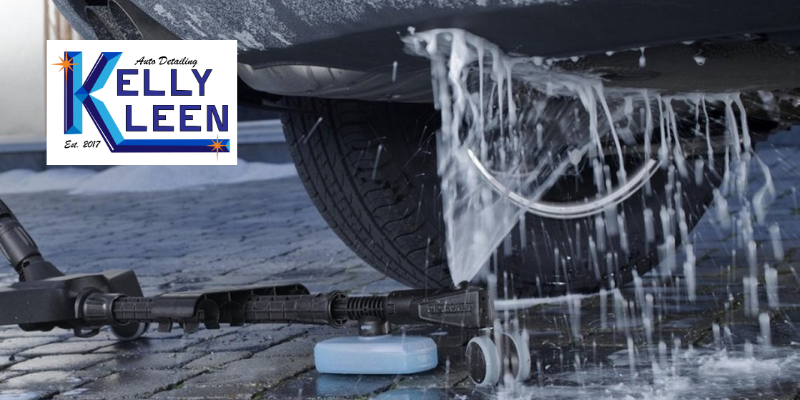
Your car’s undercarriage takes the biggest hit during the winter. Use a pressure washer or underbody sprayer to blast away salt and sludge before addressing the rest of the car. Be sure to hit areas like:
- Wheel wells
- Rear bumper crevices
- Exhaust tips
- Frame rails and axles
If you’re in Pacific or nearby rural areas, mud and gravel can collect even faster—making underbody cleaning essential.
Step 4: Use a pH-Balanced Car Shampoo
Choose a winter-safe, pH-balanced shampoo designed to break down road salt without stripping wax or coatings. Never use dish soap or harsh degreasers, as these can dry out your clear coat and make your car more vulnerable to the elements.
Step 5: Use the Two-Bucket Method
To avoid scratches, use the two-bucket method:
- One bucket for soapy water
- One bucket to rinse your wash mitt
This technique reduces the chance of transferring grime and grit back onto your paint as you wash.
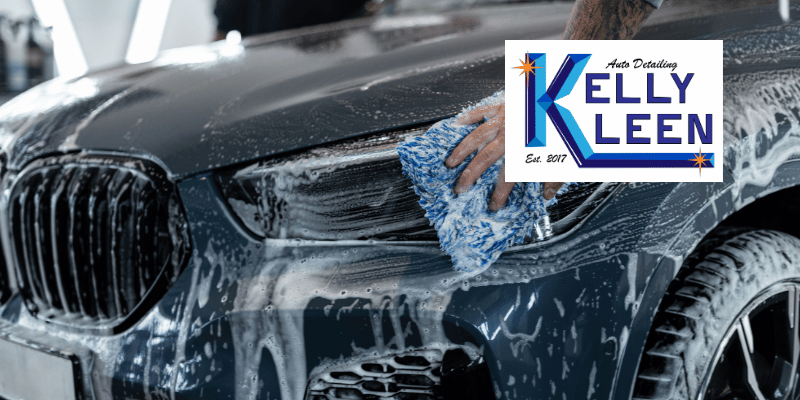
Use microfiber mitts instead of sponges or brushes to gently clean the surface without scratching.
Step 6: Rinse with Warm Water (If Possible)
If available, rinse with warm (not hot) water to help prevent freezing on contact. This is especially important when washing outdoors in cooler temperatures around Union or St. Clair.
After rinsing, work quickly to dry the car before water droplets freeze.
Step 7: Dry with Microfiber Towels or Air
Use clean microfiber towels to dry all surfaces, paying special attention to door jambs, mirror bases, and fuel doors. You can also use a car dryer or leaf blower to remove moisture from tight crevices.
To prevent frozen doors and locks, apply a silicone-based lubricant to weatherstripping and keyholes.
Winter Detailing Add-Ons to Protect Your Vehicle
In addition to washing, consider these professional services to keep your vehicle in top shape throughout Missouri’s winter season.
Ceramic Coating for Salt Resistance
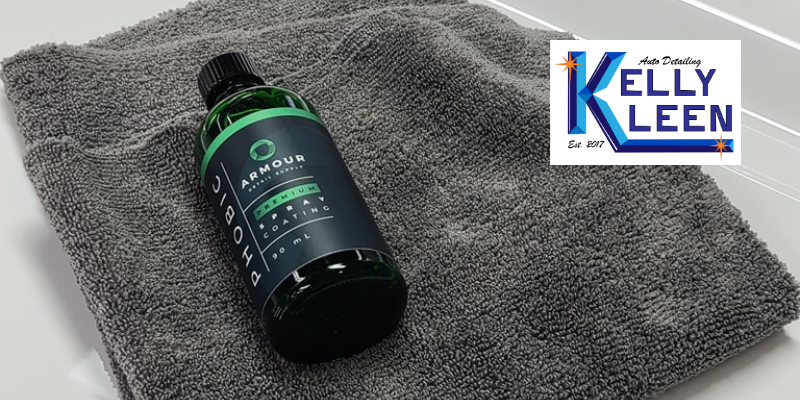
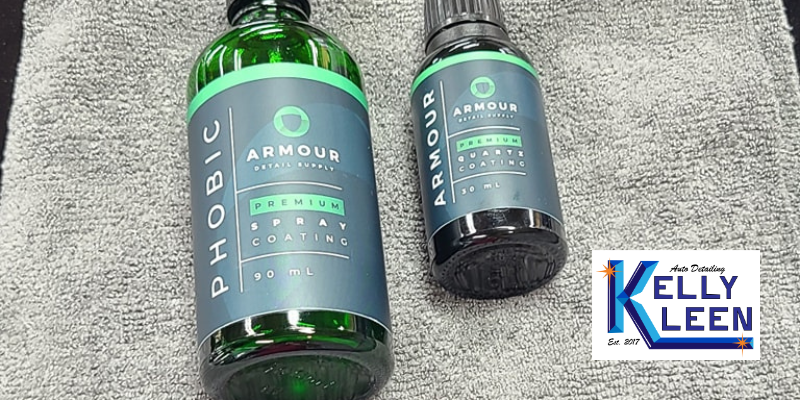
Ceramic coatings provide a durable shield against moisture, salt, and grime. They make future washes easier and reduce the likelihood of paint damage. If your car hasn’t been coated yet, winter is a smart time to get it done.
Undercarriage Sealing
A professional sealant applied to your vehicle’s underside can block moisture and salt from corroding metal parts. Especially useful in areas like Franklin County where county roads are heavily salted.
Interior Detailing
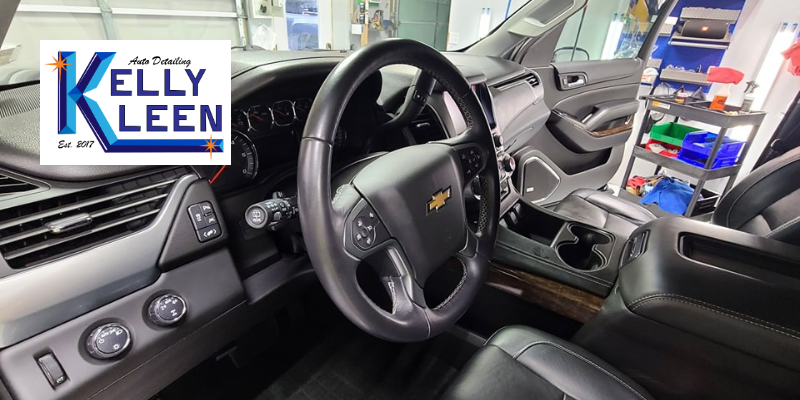
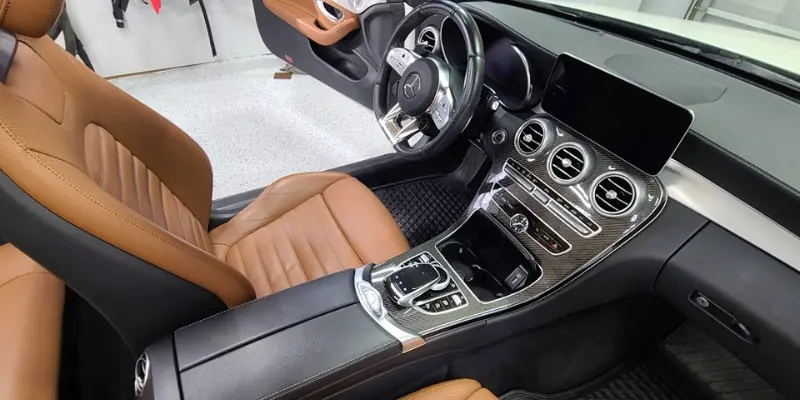
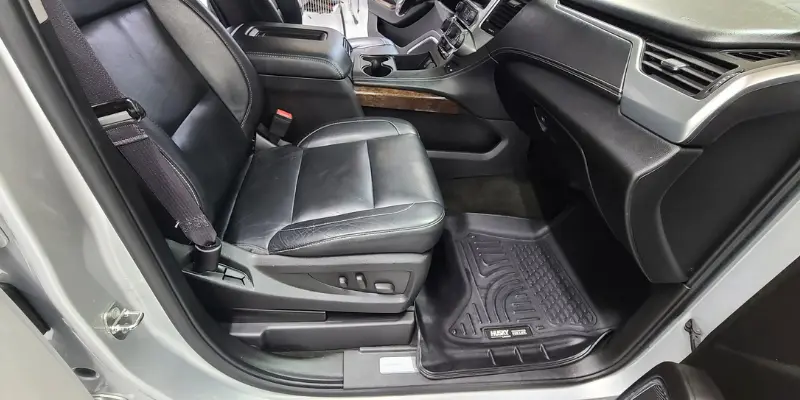
Winter moisture and salt don’t just affect your exterior. Wet boots and dirty mats track grime into your vehicle. Regular interior detailing keeps carpet and upholstery looking good and prevents mildew buildup.
How Often Should You Wash in Winter?
For most Missouri drivers, washing once every two weeks during winter is a good rule of thumb. However, if there's been heavy snow or road treatment, wash sooner.
Drivers in Union or Washington who use gravel or rural roads should consider washing weekly to avoid accelerated damage.
What to Avoid at All Costs
- Don’t use household soaps: These strip wax and dry out paint
- Don’t skip the drying step: Water left to freeze can crack plastic and rubber parts
- Don’t ignore the wheel wells: Salt buildup here is one of the leading causes of hidden rust
- Don’t wash your car at night: Water will freeze rapidly and damage seals or paint
Winter Car Wash Myths Debunked
“It’s too cold to wash my car.”
False. As long as you use proper technique and dry thoroughly, cold weather washing is perfectly safe.
“Touchless washes are always safe.”
Not quite. They’re safer than brushes, but still not as effective as hand washing—especially when grime is caked on.
“I’ll just wait until spring.”
That’s like saying, “I’ll wait until the damage is permanent.” Regular winter washing saves you thousands in long-term repair costs.
Trust Kelly Kleen for Safe Winter Detailing in Missouri
At Kelly Kleen, we understand the challenges that winter weather brings to vehicle owners in Franklin County and beyond. From safe hand washing to expert undercarriage cleaning and ceramic coating application, we help protect your investment no matter what the season throws your way.
Our detailing team serves customers in Washington, Union, Pacific, and surrounding areas with services tailored for Missouri’s harsh winter conditions.
Need a professional winter-safe wash or protective service?
Contact Kelly Kleen today and let’s give your car the cold-weather care it deserves.